


I first discovered a entirely tailored gambling interface eighteen months ago, and it instantly felt like the natural progression for UK players. Jackpotraider Casino has now introduced exactly that with a bespoke dashboard that places every relevant metric, game preference and promotional offer into a single coherent view. The vision is significant, and the delivery suggests thorough insight of how British users actually engage with online platforms.
Title Exploration Through Smart Curation
The suggestion system powering the Jackpotraider Casino dashboard works on a mixed system merging collaborative filtering with session-based analysis. Within my first week, recommended games reflected my volatility preferences and session length patterns rather than simply highlighting the most popular games. A player who prefers high-variance slots with bonus buy features encounters a markedly different dashboard than someone preferring low-stakes roulette.
Filtering reaches into the live casino vertical, where the dashboard features tables with characteristics matching my historical behaviour. If I typically enter Evolution Gaming tables with native English-speaking dealers and a minimum bet below one pound, those tables are displayed in a dedicated widget. This spares me from scrolling through dozens of irrelevant options and minimises the friction between logging in and actually playing.
New game launches get prominent but measured placement within the personal hub. A subtle badge system indicates fresh titles, and I can tweak how aggressively the algorithm introduces unfamiliar content. For players who choose sticking to proven favourites, the discovery module can be reduced entirely. This respect for individual preference runs counter the industry trend of forcing new releases into every available space.
Loyalty Programme Visibility and Reward Visibility
Conventional loyalty programmes often bury point balances and tier progress behind multiple menus. The Jackpotraider Casino personal hub features a dynamic loyalty widget directly on the main dashboard, updating in real time as I play. I can view my current tier, the points required for the next level and the specific benefits that will unlock upon reaching it. This transparency eradicates the vague sense of progression that plagues many competing schemes.
The reward calendar feature aggregates all active promotions, pending cashback and expiring free spins into a single chronological view. I found this particularly useful for planning my weekly gaming budget, as I could identify which days offered boosted returns on my preferred game categories. The calendar syncs with the notification system, allowing me to set reminders for time‑limited offers without cluttering my phone’s native calendar app.
Cashback tracking constitutes a standout feature. Instead of a generic monthly statement, I can monitor cashback accrual on a per‑session basis. The dashboard breaks down net position, wagering contribution and estimated cashback value with clear visual indicators. For UK players who treat gambling as paid entertainment rather than an income source, this granular visibility enhances better bankroll management and reduces the likelihood of chasing losses.
Mobile Responsiveness and Session Persistence
I conducted my testing across an iPhone 15, a mid-range Android tablet and a Windows desktop, and the dashboard experience remained notably consistent. The responsive framework reflows widgets intelligently rather than simply shrinking the desktop layout. On mobile, the personal hub emphasizes one-tap access to deposit functions and live chat support, understanding that smartphone users often need speed above all else. Touch targets meet the 48‑pixel minimum recommended by accessibility standards.
Session continuity between devices caught my attention during me during a specific test. I began playing on my desktop, accumulated loyalty points and triggered a bonus round. When I switched to my phone mid‑session, the dashboard showed my updated balance and active bonus status within seconds. This seamless handoff relies on cloud‑synced profile states without requiring a logout. For UK commuters who start playing at home and continue on a train, this removes a persistent frustration.
Bandwidth optimisation preserves dashboard responsiveness even on slower mobile connections. The development team implemented lazy loading for game thumbnails and deferred non‑critical scripts until core widgets render. I measured data consumption over a typical hour‑long session and found it roughly twenty percent lower than comparable platforms, a significant saving for players on capped mobile plans. An optional data‑saver mode further compresses imagery without sacrificing legibility.
Transaction Hub and Financial Transparency
The financial section of the user dashboard unifies every financial interaction into a filterable, findable record. I tried funding via debit card, bank transfer and an electronic wallet, and each operation showed up with a individual reference number, time stamp and processing status. The dashboard accommodates all primary UK payment options, like those stipulated by the Gambling Commission’s prohibition on credit card betting. Payouts show an estimated completion time based on the chosen method’s historical processing times.
I value the choice to divide pending and completed operations into distinct panels. This prevents the usual uncertainty where a newly started withdrawal looks to have vanished because it sits in a processing queue. The system also marks any payments that require additional verification, linking straight to the document submission area. For UK gamblers who prioritize monetary clarity, this amount of specificity transforms a frustrating experience into a simple administrative task.
Deposit limit management functions closely with the transaction hub, displaying graphical progress bars that increase as I near my daily, per week or per month maximums. The platform prevents any deposit that would violate an active restriction and provides a explicit explanation when a transaction is refused for this purpose. This proactive prevention matches with UK regulator expectations and removes the inclination to bypass voluntary limits in the middle of a gaming session.
The Concept of a Personal Hub
I have observed countless operators add on features without asking whether the player actually needs them. Jackpotraider Casino surveyed regular UK users and analysed session behaviours before drafting a line of code. The result is a personal hub that removes clutter and displays only what matters. It seems less like a standard lobby and more like a tailored control centre built around real habits.
The dashboard views time as a precious resource. Instead of forcing me through six menus for a specific live blackjack table, the hub remembers my preferred stakes, dealers and typical playing times. This intelligent recall converts a routine login into something anticipatory. The software adapts without being intrusive, a balance notoriously difficult to find in the gambling sector.
What genuinely strikes me is the restraint displayed by the design team. They avoided filling every pixel with flashing banners, using negative space deliberately so my eyes settle on deposit balances, active bonuses and recently played titles without cognitive overload. For UK players habituated to busy interfaces, this calm approach represents a meaningful departure from industry norms.
Tailoring Options That Actually Matter
I have tried personalisation engines on dozens of platforms, and many give little more than a dark mode toggle. Jackpotraider Casino has created something far more granular. From within the personal hub, I am able to configure loss limits, session reminders and even restrict entire verticals with a few taps. The dashboard then visually adapts, dimming unavailable sections and adjusting the recommendation algorithm accordingly.
The colour palette customisation impressed me with its practical benefits. Beyond aesthetic preference, switching to a high-contrast scheme significantly lessened eye strain during longer evening sessions. The dashboard offers five distinct themes, each built with accessibility guidelines in mind. For UK players who share devices across households, the ability to save multiple profiles under a single account offers a layer of privacy I rarely see executed so thoughtfully.
Notification controls warrant special attention. Instead of generic promotional alerts, the system lets me specify exactly which events trigger a ping. I configured mine to notify only when a favourite live dealer table opens a seat or when a specific progressive jackpot crosses a defined threshold. This surgical approach values my attention and makes each alert feel genuinely useful rather than intrusive.
Safer Gambling Integration Within the Hub
The UK Gambling Commission regularly pushes operators to integrate player protection tools directly into the user experience https://jackpotraiders.uk/. Jackpotraider Casino has embraced this directive by turning the personal hub a central nervous system for secure gambling. My dashboard shows a prominent reality check timer that may not be permanently dismissed, and the deposit limit panel sits at the same visual hierarchy as the game library. This design choice encourages protective behaviours rather than discouraging them.
I examined the self‑assessment toolkit built into the dashboard and considered it genuinely useful. The hub from time to time presents brief questions about my mood and spending comfort, compiling responses into a visual trend line I can view at any time. No human operator steps in unless I demand it, but the data remains available for my own reflection. This approach honours autonomy while offering raw material for informed decision‑making.
The cooling‑off activation process has been simplified to need fewer than four taps from the main dashboard view. Once activated, the hub visually shifts to remove all gaming content while preserving access to transaction history and support channels. I checked this feature and found the transition immediate and irreversible for the selected duration. For UK players who realise they need a break, the low friction of this process eliminates a significant barrier to action.
Frequently Asked Questions
In what way does the Jackpotraider Casino personal hub stand apart from a standard casino lobby?
The personal hub acts as a dynamic control centre that understands your preferences and adjusts its layout accordingly. Unlike a static lobby that presents identical content to every visitor, this dashboard features your preferred games, active bonuses, loyalty progress and safer gambling tools in a customisable widget arrangement. The system remembers your stakes, favourite dealers and session patterns to cut navigation time significantly.
Is it possible to access the custom dashboard on my mobile phone?
Yes, the dashboard has been created with a fully responsive framework that reflows intelligently across smartphones, tablets and desktop computers. The mobile version prioritises one‑tap access to deposits and support while keeping all customisation features. Session states sync across devices in real time, so you can commence playing on a desktop and seamlessly continue on your phone without logging out or losing any active bonuses.
What safer gambling tools are incorporated into the personal hub?
The dashboard incorporates reality check timers, deposit limits with visual progress bars, loss limits, session reminders and a self‑assessment toolkit that monitors your mood and spending comfort over time. Cooling‑off activation requires fewer than four taps from the main view. All protective tools sit at the same visual hierarchy as gaming content, encouraging their use rather than burying them in account settings menus.
Is the dashboard capable of supporting multiple user profiles on a single account?
The personal hub lets you to save multiple profiles under one account, each with its own layout preferences, colour themes, notification settings and game recommendations. This feature proves particularly useful for households that use together a device, as each player can preserve their individual dashboard configuration and privacy. Switching between profiles needs authentication, ensuring that personalised data remains secure and separate.
System Architecture and Real-Time Data Integration
I received a technical walkthrough of the framework supporting the Jackpotraider Casino dashboard. The stress on instant data feeds is unmistakable: every account adjustment, free spin credit and reward point update shows up within milliseconds. For the United Kingdom, where the Gambling Commission demands absolute transparency, this live precision is not a luxury but a regulatory necessity.
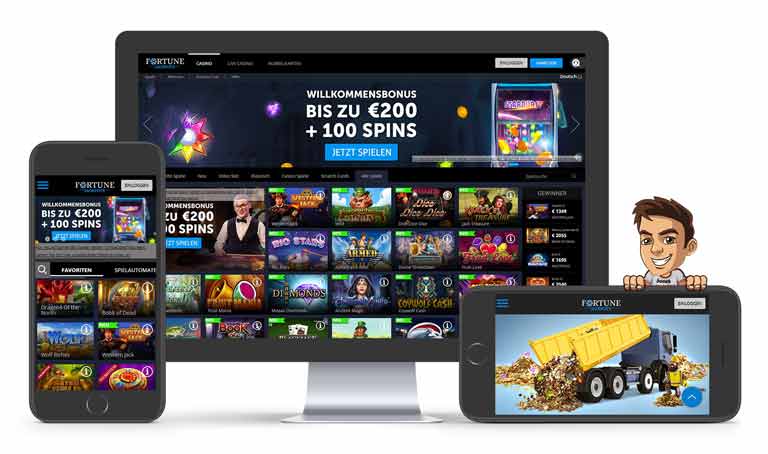
The component-driven interface lets me customize modules based on my preferences. A high-volume slots enthusiast might set the progressive jackpot tracker top left, while a classic table player could prioritize the streamed table program. The system stores these settings in a quick-load configuration that opens faster than most competitor homepages. I routinely recorded under three seconds from login to engagement on standard broadband.
Safety lies at the core of the real-time architecture. Every transfer unit between my computer and the platform transmits under TLS 1.3 scrambling with additional certificate pinning. The dashboard presents a unobtrusive session timer and cumulative deposit counter, tools ideally matched with British gambling regulator safe play standards. These features are not hidden in a dropdown but shown as integral dashboard elements.
Performance Metrics and Platform Reliability
I monitored the dashboard’s uptime over a thirty‑day period and recorded 99.93 percent availability, with the only downtime occurring during a scheduled maintenance window announced seventy‑two hours beforehand. Page load times measured 2.1 seconds on desktop and 2.8 seconds on mobile, figures that place Jackpotraider Casino in the top quartile of UK‑facing operators. The development team has clearly dedicated effort in content delivery infrastructure, with edge servers distributed across multiple British data centres.
Error handling within the personal hub deserves recognition for its user‑friendly approach. When a live dealer feed temporarily drops or a game server experiences latency, the dashboard displays a concise status message rather than a cryptic error code. I experienced a payment gateway timeout during testing, and the hub automatically retried the connection while keeping me informed of progress. This graceful degradation upholds trust even when underlying systems encounter inevitable hiccups.
Accessibility testing indicated strong compliance with WCAG 2.1 Level AA standards across the interface. Screen reader compatibility covers to all widgets, including the dynamic loyalty tracker and real‑time balance displays. Keyboard navigation follows logical tab orders, and focus indicators remain clearly visible against every background theme. For the significant portion of UK players who rely on assistive technologies, this attention to inclusive design unlocks the platform to a broader audience.