
Category: Health

How Can Pain Treatment Experts Help You Manage Chronic Pain?
Chronic pain can affect your daily routine, limit physical activity, and make simple tasks feel challenging. Whether you experience persistent back pain, neck discomfort, joint pain, or nerve-related symptoms, finding the right treatment can improve your quality of life. Instead of relying only on temporary relief, experienced Pain Treatment Experts focus on identifying the underlying causes of discomfort and developing personalised treatment plans. At Pain Treatment Specialists, patients can explore treatment options designed to reduce pain, improve mobility, and support long-term pain management. Understanding how pain specialists approach chronic conditions can help you make informed decisions about your health. What Causes Chronic Pain, and Why Does It Require Specialised Care? Chronic pain generally lasts longer than three months and may continue even after an initial injury heals. Several conditions can contribute to persistent discomfort, including arthritis, herniated discs, muscle injuries, nerve damage, and inflammation. Unlike temporary pain, chronic pain often involves multiple physical and neurological factors. Healthcare professionals must understand these factors before recommending appropriate treatment. Pain specialists evaluate your symptoms, medical history, and physical condition to identify possible causes. This detailed approach helps them address specific pain triggers rather than simply masking symptoms. How Do Pain Treatment Experts Diagnose Chronic Pain? An accurate diagnosis forms the foundation of effective pain management. Pain Treatment Experts use clinical assessments and, when necessary, diagnostic testing to understand the source and severity of discomfort. During an initial consultation, a specialist may discuss your symptoms, previous injuries, medical conditions, and activities that worsen or relieve pain. Depending on your condition, your evaluation may involve physical examinations, imaging studies, or other diagnostic procedures. These assessments help specialists distinguish between muscular, joint-related, and nerve-related problems. By identifying potential pain sources, they can recommend targeted treatments that match your individual needs. What Treatment Options Can Help Manage Persistent Pain? Modern pain management offers several approaches that may reduce discomfort without immediately requiring major surgery. Specialists select treatments based on your diagnosis, symptoms, medical history, and personal goals. Common treatment options include: Physical therapy to improve strength, flexibility, and movement. Medication management to control symptoms when clinically appropriate. Epidural steroid injections to address certain types of inflammation-related spinal pain. Nerve blocks to target specific sources of pain. Radiofrequency ablation to interrupt selected pain signals in suitable patients. Lifestyle modifications to support mobility and overall well-being. Not every treatment works for every condition. Specialists explain the potential benefits, limitations, and risks before recommending a procedure. A personalised approach allows patients to explore suitable options while avoiding unnecessary interventions. Why Should You Visit a Pain Treatment Clinic in Westchester? Visiting a Pain Treatment Clinic in Westchester can help patients access professional assessments and ongoing care closer to home. Chronic pain often requires follow-up appointments, treatment adjustments, and progress evaluations. Choosing an accessible clinic may make it easier to maintain regular consultations and follow your recommended care plan. Pain specialists can also coordinate with other healthcare professionals when your condition requires additional expertise. For individuals experiencing persistent back pain, neck pain, joint discomfort, or nerve symptoms, specialised care can provide a structured approach to understanding and managing pain. How Can Personalised Pain Management Improve Your Daily Life? Every patient experiences chronic pain differently. Some struggle with walking or standing, while others experience discomfort during work, exercise, or sleep. Pain specialists consider these individual challenges when developing treatment plans. They may recommend specific exercises, ergonomic improvements, activity modifications, or targeted medical treatments to address your symptoms. Effective pain management aims to improve more than pain scores. It can also help patients work toward better mobility, improved sleep, greater independence, and increased participation in everyday activities. Although chronic pain may not disappear completely, consistent treatment can help many individuals manage symptoms more effectively. When Should You Seek Help from a Chronic Pain Specialist? Occasional discomfort may improve with rest and basic self-care. However, persistent or worsening pain deserves medical attention, especially when it affects your ability to perform normal activities. Consider consulting a specialist if you experience recurring back pain, ongoing joint stiffness, shooting nerve pain, or discomfort that interferes with sleep. You should also seek professional advice when previous treatments fail to provide sufficient relief. Early evaluation may help identify treatable conditions and prevent avoidable limitations. Sudden weakness, loss of bladder or bowel control, or severe pain following an injury requires urgent medical assessment. How Do Pain Specialists Support Long-Term Pain Relief? Managing chronic pain often requires ongoing communication between patients and healthcare providers. Specialists monitor treatment responses, review changes in symptoms, and adjust care plans when necessary. They may also recommend rehabilitation exercises, healthy movement habits, and practical strategies for managing daily discomfort. Patient education plays an important role in this process. Understanding your condition helps you recognise potential triggers, follow treatment instructions, and participate actively in your recovery. Regular follow-up appointments allow your healthcare team to evaluate progress and determine whether additional treatments may help. How Can You Take the First Step Toward Better Pain Management? Living with chronic discomfort does not mean you must accept constant limitations. Professional evaluation can help you understand your symptoms and explore appropriate treatment options. At Pain Treatment Specialists, patients can receive individualised assessments and explore minimally invasive pain management approaches for qualifying conditions. If persistent discomfort affects your work, mobility, or daily routine, consider scheduling a consultation with a qualified pain specialist. A suitable treatment plan can help you work toward better symptom control, improved physical function, and a more comfortable lifestyle.

How Can Vein Treatment Experts Help Treat Varicose Veins?
Varicose veins are a common vein condition that affects millions of people worldwide. These enlarged, twisted veins often appear on the legs and may cause discomfort, swelling, heaviness, or aching. While some people consider them a cosmetic concern, varicose veins can also indicate an underlying circulation problem that requires medical attention. Consulting experienced Vein Treatment Experts can help patients understand their condition and explore effective treatment options. Specialists evaluate vein health, identify the underlying causes, and recommend minimally invasive procedures when appropriate. At VIP Medical Group, patients can receive personalised care focused on improving vein function, relieving symptoms, and supporting long-term vascular health. What Causes Varicose Veins to Develop? Varicose veins develop when the valves inside the veins weaken or stop working properly. Healthy valves help blood flow towards the heart and prevent it from moving backwards. When these valves fail, blood can collect inside the veins, causing them to enlarge and become visible beneath the skin. Several factors can increase the risk of developing varicose veins, including: Family history: Genetics can increase the likelihood of vein problems. Ageing: Vein valves may weaken naturally over time. Pregnancy: Hormonal changes and increased blood volume can affect circulation. Prolonged sitting or standing: Limited movement can increase pressure in the leg veins. Excess body weight: Additional weight places greater pressure on the lower limbs. Physical inactivity: Inadequate movement may reduce the effectiveness of the leg muscles in supporting circulation. Understanding these risk factors helps patients take preventive measures and recognise symptoms early. How Do Vein Treatment Experts Diagnose Varicose Veins? Experienced Vein Treatment Experts begin with a detailed medical evaluation. They review the patient's symptoms, medical history, lifestyle, and any previous vein conditions. During the physical examination, specialists assess visible veins, swelling, skin changes, and other signs of circulation problems. They may also recommend a duplex ultrasound examination. This non-invasive test uses sound waves to evaluate blood flow and determine whether the vein valves function properly. An ultrasound helps specialists identify: Damaged or weakened vein valves Abnormal blood flow within superficial veins Areas affected by venous reflux Veins that may require medical treatment With these findings, specialists can create a treatment plan based on the patient's specific needs. What Treatment Options Can a Vein Clinic Maryland Offer? A professional Vein Clinic Maryland may offer several modern procedures to manage varicose veins. Treatment selection depends on the location and severity of the affected veins, ultrasound findings, symptoms, and overall health. How Does Endovenous Laser Treatment Work? Endovenous laser treatment (EVLT) uses controlled laser energy to close an unhealthy superficial vein. The specialist inserts a thin laser fibre into the affected vein under ultrasound guidance. The laser heats the vein wall, causing the vein to seal. Blood then redirects through healthier veins. Doctors generally perform this minimally invasive procedure using local anaesthesia. Many patients return to normal daily activities relatively quickly, depending on their recovery and medical advice. Can Radiofrequency Ablation Treat Varicose Veins? Radiofrequency ablation (RFA) uses thermal energy to close damaged veins. During the procedure, a specialist guides a small catheter into the affected vein and applies controlled heat. The treated vein gradually closes, allowing blood to flow through healthier pathways. RFA can reduce symptoms associated with venous reflux, including leg heaviness, aching, and swelling. How Does Sclerotherapy Improve Vein Appearance? Sclerotherapy involves injecting a specialised solution into targeted veins. The solution irritates the vein lining, causing the vein to close and gradually fade. Specialists commonly use this treatment for spider veins and smaller varicose veins. They may use ultrasound-guided foam sclerotherapy for certain larger veins. Some patients need multiple sessions to achieve their desired results. Why Should Patients Seek Professional Varicose Vein Treatment? Professional treatment addresses more than the visible appearance of varicose veins. Specialists investigate the underlying circulation problem and recommend appropriate medical care. Depending on the condition, treatment may provide several benefits: Reduce aching, swelling, and leg heaviness Improve symptoms associated with venous reflux Address unhealthy superficial veins Improve the appearance of treated veins Support better comfort during daily activities Help manage the risk of certain complications Early evaluation becomes particularly important when patients experience persistent swelling, skin discolouration, or recurring discomfort. Untreated venous disease can sometimes contribute to skin changes, inflammation, or venous leg ulcers. How Can Patients Prevent Varicose Veins From Worsening? Although lifestyle changes cannot repair damaged vein valves, healthy habits may improve circulation and reduce discomfort. Vein specialists often recommend regular walking, maintaining a healthy weight, elevating the legs when resting, and avoiding prolonged periods of inactivity. Compression stockings may also help manage symptoms by supporting blood flow in the legs. However, patients should consult a healthcare professional before using them, especially if they have circulation problems. These measures can complement medical treatment, but they cannot eliminate established varicose veins. When Should You Visit Vein Treatment Experts? Patients should consider consulting a vein specialist when varicose veins cause persistent pain, swelling, itching, heaviness, or noticeable skin changes. A qualified Vein Clinic Maryland can evaluate these symptoms and determine whether treatment is necessary. VIP Medical Group provides vein care at Maryland locations, including Bethesda, Bowie, and Maple Lawn, with minimally invasive treatment options for eligible patients. Sudden leg swelling or pain, particularly with redness or warmth, requires prompt medical assessment. Chest pain or shortness of breath requires emergency care. How Can Professional Vein Care Improve Your Quality of Life? Varicose veins can affect everyday comfort, confidence, and mobility. Professional diagnosis helps patients understand their symptoms and choose suitable treatments. With personalised medical care, modern procedures, and appropriate follow-up, patients can manage venous disease and improve their leg health. Consulting experienced vein specialists is an important first step towards healthier circulation, lasting symptom management, and greater comfort in daily life.
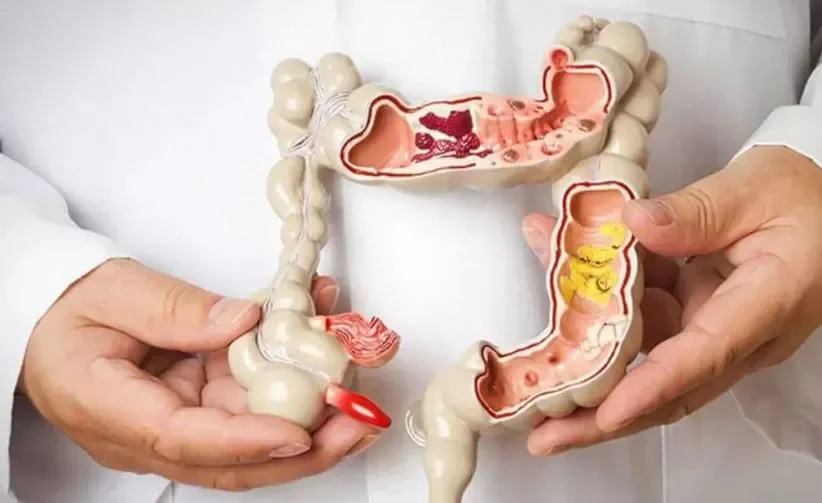
How Can a Colorectal Cancer Surgeon in India Help With Treatment?
Colorectal cancer affects the colon or rectum and can require a carefully planned combination of diagnosis, surgery, medication, and follow-up care. A specialist plays an important role in determining the most appropriate treatment approach based on the cancer’s location, stage, size, and overall health of the patient. A Colorectal Cancer Surgeon in India can evaluate the condition, explain available treatment options, and perform procedures designed to remove cancer while preserving as much healthy tissue and normal bowel function as possible. With advances in minimally invasive surgery, imaging, cancer care, and multidisciplinary treatment, patients can receive individualized care for many types and stages of colorectal cancer. What Does a Colorectal Cancer Surgeon Do? A colorectal cancer surgeon specializes in conditions affecting the colon, rectum, and surrounding structures. When cancer requires surgery, the surgeon assesses the tumor and develops a treatment plan according to its location and stage. The surgeon may perform procedures such as a colectomy, proctectomy, low anterior resection, or abdominoperineal resection when clinically appropriate. During these procedures, the goal is to remove the cancer along with an appropriate margin of surrounding tissue. Nearby lymph nodes may also be removed for examination to help determine the extent of disease. The surgical approach can vary from patient to patient. Some people may benefit from open surgery, while others may be suitable for laparoscopic or robotic-assisted procedures. How Is Colorectal Cancer Diagnosed Before Surgery? Before recommending surgery, the medical team usually needs detailed information about the cancer. Doctors may use colonoscopy, biopsy, blood tests, CT scans, MRI, or other imaging examinations to understand the tumor and determine whether the disease has spread. The biopsy helps confirm whether abnormal tissue is cancerous. Imaging can help identify the tumor's location and provide information about nearby organs and lymph nodes. This information allows the surgeon and other specialists to understand the disease more clearly and develop a treatment strategy. When Is Surgery Recommended for Colorectal Cancer? Surgery often plays a central role in treating localized colorectal cancer. However, the timing and type of surgery depend on several factors. For some patients, surgery may be the first major treatment. Others may receive chemotherapy, radiation therapy, or targeted treatment before surgery. This approach, known as neoadjuvant treatment, may help reduce the tumor or control the disease before an operation. For rectal cancer, treatment planning can differ from colon cancer because of the tumor's location and its relationship with nearby structures. A specialist evaluates these factors before deciding on the appropriate sequence of treatments. How Can Minimally Invasive Surgery Help? A Colorectal Cancer Surgeon in India may use minimally invasive techniques when a patient's condition and tumor characteristics make them appropriate. Laparoscopic surgery uses small incisions and specialized instruments instead of one large abdominal incision. Potential advantages can include smaller incisions, reduced postoperative discomfort, shorter hospital stays, and a quicker return to normal activities. Robotic-assisted surgery can also provide enhanced visualization and precise instrument control in selected cases. However, minimally invasive surgery is not suitable for every patient. The surgeon must consider the tumor's size, location, stage, previous operations, anatomy, and overall health before recommending a particular technique. Can a Colorectal Surgeon Help With Advanced Cancer? Colorectal surgeons can also contribute to treatment planning when cancer has spread to other parts of the body. Advanced colorectal cancer may involve organs such as the liver or lungs. In selected patients, surgery may be considered for metastatic disease when doctors determine that the cancer can be removed safely and that surgery could form part of a broader treatment plan. The decision often involves a multidisciplinary team that may include colorectal surgeons, medical oncologists, radiologists, pathologists, and other specialists. This is one area where an HPB Surgeon in India may also become an important part of the treatment team when colorectal cancer spreads to the liver or involves other hepatobiliary structures. What Role Does an HPB Surgeon Play in Colorectal Cancer Care? An HPB Surgeon in India specializes in diseases involving the liver, pancreas, and biliary system. This expertise can become particularly relevant when colorectal cancer spreads to the liver. Liver metastases require detailed evaluation because treatment depends on factors such as the number, size, and location of lesions, liver function, and whether the disease is present elsewhere. Depending on the individual case, treatment may involve systemic therapy, liver surgery, ablation, or a combination of approaches. Close coordination between colorectal and HPB specialists can help create a comprehensive treatment plan for patients with complex disease. Why Is Multidisciplinary Cancer Care Important? Colorectal cancer treatment rarely depends on surgery alone. A multidisciplinary team can review diagnostic findings and discuss the most appropriate treatment sequence. Medical oncologists may recommend chemotherapy or other systemic therapies. Radiation oncologists may become involved, particularly in rectal cancer. Radiologists interpret imaging studies, while pathologists evaluate tissue samples. The surgical team then uses this information to plan the operation and postoperative care. This coordinated approach can help ensure that different aspects of the patient's condition receive appropriate attention. What Should Patients Expect During Surgical Treatment? Before surgery, the surgeon explains the procedure, preparation requirements, possible risks, recovery expectations, and whether a temporary or permanent stoma may be necessary. After surgery, the medical team monitors bowel function, pain, nutrition, wound healing, and mobility. Patients usually receive instructions about gradually returning to normal activities and following postoperative dietary recommendations. Pathology results from the removed tissue provide important information about the cancer. These results can help doctors determine whether additional treatment is appropriate. How Can Patients Prepare for a Consultation? Patients can make their consultation more productive by bringing previous medical records, imaging reports, pathology results, medication details, and information about earlier treatments. It can also help to prepare questions about the recommended operation, alternatives, expected recovery, possible complications, and the need for chemotherapy or radiation. Choosing an experienced specialist and understanding the proposed treatment plan can help patients participate more confidently in their healthcare decisions. How Can Dr. Sundeep Jain Support Colorectal Cancer Treatment? Patients seeking specialized surgical care can discuss their condition with an experienced cancer surgery team. Dr. Sundeep Jain focuses on evaluating complex abdominal and gastrointestinal conditions and can help patients understand their surgical options based on their individual diagnosis. Treatment should always be personalized because colorectal cancer can behave differently from one patient to another. At Dr. Sundeep Jain, patients can discuss diagnostic findings, surgical approaches, recovery expectations, and the potential need for coordinated care with other specialists. What Makes Timely Treatment Important? Early evaluation can make a significant difference in colorectal cancer management. Symptoms such as persistent changes in bowel habits, rectal bleeding, unexplained weight loss, abdominal discomfort, or ongoing fatigue should not be ignored. Not every digestive symptom indicates cancer, but persistent or unusual symptoms deserve medical evaluation. Screening can also help identify colorectal abnormalities before they develop into advanced disease. A qualified Colorectal Cancer Surgeon in India can work with other specialists to assess the diagnosis and develop a treatment plan suited to the patient's specific needs. When liver or other hepatobiliary involvement occurs, collaboration with an HPB Surgeon in India can further support complex cancer management. Ultimately, the treatment journey depends on the cancer stage, tumor characteristics, overall health, and individual treatment goals. A detailed consultation can help patients understand their options and make informed decisions about their care.

What Treatment Options Are Available for Liver Metastases?
Liver metastases occur when cancer cells from another part of the body spread to the liver. They are different from primary liver cancer because the cancer began somewhere else, such as the colon, pancreas, breast, stomach, lung, or other organs. Treatment depends on the original cancer, the number and location of tumors in the liver, whether cancer has spread elsewhere, and the person's overall health. Understanding available treatments can help patients and families discuss appropriate options with their oncology team. Liver Metastases treatment Awareness also highlights why early evaluation and personalized treatment planning matter. What Factors Determine Liver Metastases Treatment? Doctors usually consider several factors before selecting a treatment plan. These include the type of primary cancer, tumor size, number of liver lesions, location of the tumors, liver function, previous treatments, and whether metastases are present in other organs. Doctors may use imaging tests such as CT scans, MRI scans, or PET scans to understand the extent of disease. A biopsy may also help confirm the cancer type when necessary. The treatment team may include medical oncologists, surgeons, radiation specialists, radiologists, and other healthcare professionals. Because every case differs, there is no single treatment that works for every person with liver metastases. Can Surgery Treat Liver Metastases? Surgery can be an option for selected patients, particularly when doctors can safely remove all visible liver tumors while leaving enough healthy liver tissue. This approach is commonly considered for certain colorectal liver metastases and some other cancers. A surgeon may remove the section of the liver containing the tumors, a procedure known as liver resection. In some cases, doctors may use surgery alongside chemotherapy or other treatments. Surgery is not suitable for everyone. The number and location of tumors, involvement of major blood vessels, liver function, and cancer elsewhere in the body can all affect eligibility. Can Chemotherapy Help Control Liver Metastases? Chemotherapy uses medicines to destroy cancer cells or slow their growth. Doctors may recommend chemotherapy when cancer has spread beyond the liver or when surgery alone cannot control the disease. Depending on the primary cancer, chemotherapy may be given before surgery to shrink tumors, after surgery to reduce the risk of recurrence, or as the main treatment when surgery is not appropriate. The specific drugs depend heavily on the original cancer. Doctors may combine several medicines to improve cancer control while monitoring side effects. What Role Does Targeted Therapy Play? Targeted therapy focuses on specific molecules or biological features that help cancer cells grow and survive. Doctors may recommend molecular or genetic testing of the tumor to determine whether a patient has a biomarker that could respond to a particular targeted medicine. For example, certain colorectal, breast, lung, and other cancers may have molecular characteristics that guide targeted treatment. These therapies can work differently from traditional chemotherapy, although they can still cause side effects. Treatment decisions should therefore be based on the cancer's specific molecular profile and the patient's medical circumstances. Can Immunotherapy Treat Liver Metastases? Immunotherapy helps the immune system recognize and attack cancer cells. It has become an important treatment option for several advanced cancers. However, immunotherapy does not work equally well for every cancer or every patient. Doctors may recommend testing for biomarkers that can indicate whether immunotherapy could be useful. These may include characteristics such as microsatellite instability or mismatch repair status in certain cancers. The oncology team will consider the primary cancer, previous treatments, overall health, and test results before recommending immunotherapy. Are Radiation Treatments Used for Liver Metastases? Radiation therapy can sometimes help manage liver metastases. One approach is stereotactic body radiation therapy (SBRT), which delivers highly focused radiation to selected tumors while limiting exposure to nearby healthy tissue. Doctors may consider radiation when surgery is not appropriate or when a small number of liver lesions require local treatment. Radiation can also sometimes help relieve symptoms caused by cancer. Another specialized approach, radioembolization, delivers radioactive material through blood vessels supplying liver tumors. It may be considered for certain patients with liver-dominant metastatic disease. What Are Ablation Treatments for Liver Metastases? Ablation destroys tumors without removing them surgically. Common techniques include radiofrequency ablation and microwave ablation. During these procedures, doctors use imaging guidance to position a probe near the tumor and generate heat that damages cancer cells. Ablation may be considered for smaller tumors in carefully selected locations. Doctors evaluate tumor size, number, position, nearby structures, and the patient's overall condition before recommending it. For some patients, ablation can complement surgery or systemic treatment. Can Liver-Directed Treatments Control Metastases? Doctors can sometimes deliver treatment directly to tumors in the liver. These approaches may include transarterial chemoembolization (TACE) or transarterial radioembolization (TARE). These procedures use the liver's blood supply to deliver treatment toward tumors while limiting exposure to some healthy tissue. Their usefulness depends on the primary cancer, distribution of liver tumors, liver function, and previous treatments. A specialist team evaluates whether a liver-directed procedure is appropriate for each patient. How Does Supportive Care Help During Treatment? Supportive or palliative care can be an important part of treatment at any stage of advanced cancer. It focuses on managing symptoms and improving quality of life while patients receive cancer treatment. Doctors may address pain, nausea, fatigue, appetite changes, nutritional concerns, sleep difficulties, and emotional challenges. Supportive care can work alongside chemotherapy, immunotherapy, radiation, surgery, or other cancer treatments. Good communication between patients, caregivers, and healthcare professionals can make treatment planning easier and help address concerns early. Why Is Gallbladder Cancer Awareness Important? Gallbladder Cancer Awareness can help people understand that cancers affecting the abdominal organs may require specialized evaluation. Gallbladder cancer can sometimes spread to nearby tissues, lymph nodes, the liver, or other parts of the body. Recognizing persistent or unusual symptoms and seeking medical evaluation can support earlier diagnosis. Symptoms such as abdominal discomfort, jaundice, unexplained weight loss, nausea, or changes in appetite can have many causes, so they should not automatically be assumed to indicate cancer. Awareness initiatives such as Abdominal Cancer Day can encourage conversations about symptoms, risk factors, diagnosis, and access to appropriate medical care. How Should Patients Discuss Treatment Choices With Their Doctors? Patients should ask their oncology team about the goal of treatment, available options, expected benefits, possible side effects, and whether clinical trials may be appropriate. It can also help to ask whether additional imaging, biopsy, or molecular testing could influence treatment decisions. Abdominal Cancer Day can serve as an opportunity to promote informed conversations about abdominal cancers and the importance of specialized medical care. Liver metastases can require complex treatment, but several approaches are available. Surgery, chemotherapy, targeted therapy, immunotherapy, radiation, ablation, and liver-directed procedures may be used individually or in combination. The most appropriate plan depends on the primary cancer and the individual's disease pattern and health. A qualified oncology team can evaluate the available evidence and develop a personalized treatment strategy.

How Effective Is Crest 3D White Compared to Other Whitening Products?
A bright smile can improve confidence and create a positive impression. With many teeth whitening options available today, people often compare different products to find the most effective solution. Among these options, crest 3d white has gained popularity because of its convenient application, advanced whitening technology, and ability to remove common surface stains. Many people choose at-home whitening solutions because they are affordable and easy to use compared to professional treatments. Crest 3D White products are designed to help reduce stains caused by coffee, tea, wine, smoking, and daily food habits. The formula works by targeting discoloration on the tooth surface while helping users achieve a noticeably brighter smile over time. Unlike some basic whitening products, Crest 3D White focuses on delivering professional-style whitening results with a simple routine that fits into everyday life. This convenience makes it a preferred option for people who want effective whitening without frequent dental appointments. How Do Whitening Strips Work Compared to Other Whitening Methods? Whitening strips are one of the most popular at-home teeth whitening methods because they provide a simple and controlled way to brighten teeth. These thin strips contain whitening ingredients that are placed directly on the teeth, allowing the active formula to break down stains and lighten tooth color. Compared to whitening toothpaste, whitening strips generally provide more noticeable results because they stay in contact with the teeth for a longer period. Toothpaste mainly removes surface stains through brushing, while strips use whitening agents that work deeper into discoloration. Professional whitening treatments performed by dentists may deliver faster results because they use stronger formulas and specialized equipment. However, many people prefer whitening strips because they offer a balance between effectiveness, affordability, and convenience. Crest 3D White whitening strips are designed to provide consistent coverage across multiple teeth, helping users achieve a more even smile. When used according to instructions, they can gradually improve the appearance of stained or dull teeth. Why Is Crest 3D White Effective for Removing Teeth Stains? The effectiveness of crest 3d white comes from its ability to target different types of stains. Teeth can become discolored due to external factors such as beverages, foods, and lifestyle habits. Over time, these stains can make teeth appear yellow or less vibrant. Crest 3D White products use whitening ingredients that help break down these stains and restore a brighter appearance. The strips are designed to stay securely on teeth, allowing the whitening formula to work effectively during each application. Another advantage is consistency. Many whitening products require complicated steps or professional guidance, but whitening strips provide a straightforward process. Users can easily include them in their daily or weekly oral care routine. For individuals looking for gradual improvement rather than instant changes, Crest 3D White offers a practical solution. Regular use can help maintain a cleaner, brighter smile when combined with proper brushing and dental care. How Does Crest 3D White Compare with Whitening Toothpaste? Whitening toothpaste is one of the most accessible options for improving tooth appearance. It is easy to use because it replaces regular toothpaste in a daily brushing routine. However, most whitening toothpaste focuses mainly on removing surface stains rather than changing the natural shade of teeth. In comparison, whitening strips usually provide stronger whitening effects because they contain active ingredients that remain on the teeth for a longer time. Crest 3D White strips are designed to deliver targeted whitening action, making them a stronger choice for people who want visible results. That does not mean whitening toothpaste has no benefits. It can help maintain brightness after whitening treatments and prevent new surface stains from building up. Many users combine whitening toothpaste with whitening strips for a complete oral care routine. The choice between these products depends on individual goals. People seeking mild stain removal may prefer toothpaste, while those wanting a brighter smile often choose Crest 3D White whitening strips. Is Crest 3D White Better Than Whitening Gels and Pens? Whitening gels and pens offer another convenient way to improve tooth brightness. These products allow users to apply whitening formulas directly onto specific areas of their teeth. However, they may provide less consistent coverage compared to strips. Crest 3D White whitening strips cover multiple teeth at once, helping create a more uniform whitening effect. This makes them useful for people who want their entire smile to look brighter rather than focusing on individual spots. Whitening pens can be helpful for quick touch-ups, but they may not deliver the same level of whitening as a structured strip treatment. Crest 3D White provides a more systematic approach by following a recommended application schedule. For those comparing different at-home whitening options, the combination of effectiveness and ease of use makes Crest 3D White a strong competitor in the market. What Are the Benefits of Choosing Crest 3D White Whitening Strips? There are several reasons why many people select whitening strips as part of their oral beauty routine. Some key benefits include: Convenient application: Whitening strips are easy to apply at home without special equipment. Affordable whitening option: They provide a budget-friendly alternative to professional treatments. Visible improvement: Regular use can help reduce noticeable stains and brighten teeth. Simple routine: Users can include whitening strips into their existing dental care habits. Portable design: Strips can be used while traveling or maintaining a busy schedule. These benefits make Crest 3D White suitable for people who want a practical whitening solution. The product allows users to work toward a brighter smile without making major changes to their lifestyle. How Can Crest Europe Help You Achieve a Brighter Smile? Choosing a trusted brand is important when selecting a teeth whitening product. Crest Europe provides a range of oral care solutions designed to support daily dental hygiene and smile improvement. The brand focuses on creating products that combine convenience with effective whitening technology. Crest 3D White products are developed for users who want professional-inspired results while maintaining the comfort of an at-home routine. By following usage instructions and maintaining good oral hygiene, users can improve and maintain their smile’s appearance. It is also important to remember that whitening results can vary depending on individual teeth conditions, lifestyle habits, and the type of stains present. Regular dental checkups and proper care can support long-lasting whitening results. Are Crest 3D White Results Worth the Investment? When compared with other whitening products, Crest 3D White offers a strong combination of effectiveness, convenience, and affordability. While professional whitening may provide faster results, many users appreciate the ability to whiten their teeth gradually at home. The effectiveness of any whitening product depends on proper usage and realistic expectations. Crest 3D White can help improve tooth brightness, especially for people dealing with common surface stains caused by everyday foods and drinks. Compared with traditional toothpaste, gels, and pens, whitening strips often provide a more noticeable whitening experience. Their easy application and reliable coverage make them a popular choice among people seeking a brighter smile. Conclusion: Why Should You Consider Crest 3D White for Your Whitening Routine? A brighter smile can boost confidence and improve overall appearance. With various whitening products available, choosing the right option depends on effectiveness, convenience, and personal preferences. Crest 3D White stands out because it offers an easy-to-use solution that targets stains and supports gradual smile improvement. Compared with standard whitening toothpaste and other at-home products, whitening strips provide more direct contact with teeth, allowing whitening ingredients to work effectively. Crest 3D White combines this advantage with a trusted approach to oral care. For individuals searching for a convenient whitening option, Crest 3D White whitening strips can be a valuable addition to a daily dental routine. They offer a practical way to achieve a cleaner, brighter smile without the complexity of professional treatments. With quality oral care products from Crest Europe, maintaining a confident smile becomes easier. Consistent use, healthy habits, and regular dental care all contribute to achieving long-lasting results and better oral health.
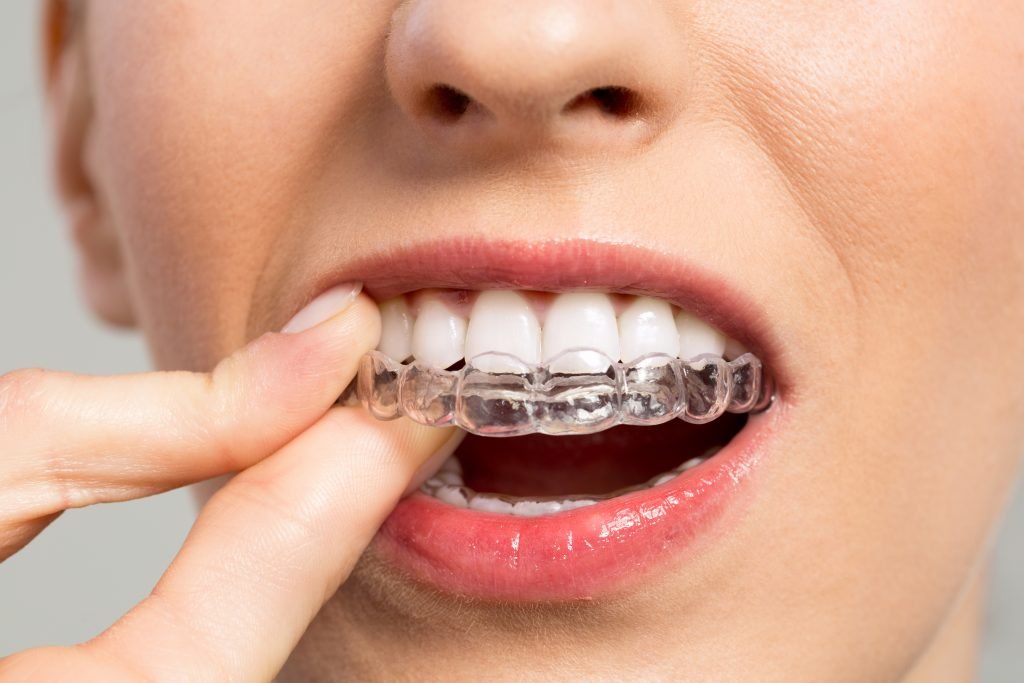
Do Invisalign Work Quicker Than Braces?
Thinking of switching to Invisalign. But how long does it take to complete the procedure? Or do they work faster than traditional braces? You must consider these questions before you opt for invisible teeth braces. You need to be clear about what Invisalign can do. And you think about the difference between the Invisalign treatment and traditional braces. Overall, Invisalign and traditional braces take the same amount of time for the same orthodontic problems. There may be some cases in which metal braces work faster than Invisalign, but it sometimes depends on lifestyle. But in many factors, Invisalign is a better option than metal braces. There are many hurdles when wearing metal braces, as you must avoid eating many of your favorite foods and be introverted if you are self-conscious. But in Invisalign, you don't have to worry about the looks. Invisalign can be more convenient than braces because they are removable & discrete. You can turn your face on your favorite foods while undergoing treatment. If you are considering Invisalign, book an appointment and consult your Dental Office in Houston to learn more about Invisalign. Why Does Invisalign Treatment Time Vary? The time for Invisalign treatment can differ from person to person. Patients with more severe alignment issues may take longer to complete the treatment process. Fewer alignment complications take less time. So, now let's see the common alignment problems that Invisalign can treat: For how long to wear Invisalign to close teeth gaps? Invisalign can take upto 6 weeks to complete the procedure if you have small gaps. You may also need a retainer to close the gap after the Invisalign treatment. The gaps may form again if you do not use retainers. For how long to wear Invisalign for Crowded Teeth? It may take 6 months to complete the procedure for crowded teeth if you have a mild case, and it may take longer to treat severe patients with overcrowded teeth. Your Invisalign Dentist Near Me may recommend you use headgear or remove a few teeth. Key Point: Even if there are only minor corrections to your teeth, and if you fail to wear the Invisalign trays for 24 hours as recommended by your dentist, the treatment may take longer than usual. Is Invisalign suitable for you? Everyone is different and may have other dental issues. There are many cases where one person's teeth shits to their position perfectly, and some teeth don't move precisely to their place. This is why the treatment varies from person to person. Invisalign Treatment is undoubtedly a better solution for misalignment but makes you wear it 24 hours. In Conclusion: Clear aligners are created to pressure your teeth and slowly move them back to their position. With aligners, you can avoid your favorite food. The longer you wear the aligners, the better results you get. Call your orthodontist if you are considering the Invisalign treatment. Visit your Best Dentist In Houston and discuss whether you are a good candidate for Invisalign.

Does Fixing An Overbite Change Face Shape?
True, overbite correction may transform your face shape, and Overbites may offer an asymmetric look to the patients. Although they may cause discomfort initially and affect speech making dentures wear difficult. Patients can fix their overbites issues with braces or surgical methods to move the upper jaw position and fix the teeth in the correct place. An orthodontist will recommend the most suitable treatment depending on the seriousness of the overbite. Get metal braces for missing teeth to fix the overbite issue. What is An Overbite? Overbite causes the extension of the lower jaw beyond the upper front teeth. Such bite issues develop due to the improper growth of the upper jaw or missing teeth. As a result, it affects the size and position of your teeth, which may cause permanent damage to the muscles and gums. Additionally, an overbite may cause difficulty while wearing dentures. Therefore, your orthodontist may recommend braces for overbite correction or surgery to bring teeth and jaw in the correct position. What Causes Overbite? When the upper jaw is smaller, or you have missing adult teeth, you are prone to have overbites. Overbite can develop if the child's lower front teeth develop bigger than their upper cousin's or the lower lip's appearance is too small. Dentists can't treat them with braces if they have overbite due to missing teeth. Why Overbite Correction? Overbite can cause gum disease, tooth wear, slurred speech, jaw pain, etc. Patients can experience anxiety or depression, or self-consciousness as they appear ugly. Moreover, overbites may lead to severe oral issues like gum diseases. Dentists may recommend dark blue braces, retainers, and Invisalign aligners. What are the main Overbite Treatment Options? Overbite treatment depends on the severity of the overbite and the tooth or jaw structure alteration. For instance, an overbite may result due to crowded teeth. If the patient is a kid, dentists may remove them by removing them, allowing the patient to have aligned teeth. Some treatment options include: Braces: Braces are one of the trendy orthodontist treatments as they can straighten teeth by removing spaces between teeth and maintaining the position of the lower jaw. Dentists can recommend braces treatment to correct an overbite. However, they do not recommend fixed braces to change the appearance of the face. Two types of braces are used to correct overbites; Invisalign and metal braces. Metal braces: The most typical and classic kinds of braces are made of metal. Metal braces consist of metal frames and dental ceramic brackets. Tightening or loosening these metal wires with tiny screw-like mechanisms changes the teeth' position. The procedure can eventually fix both severe overbites and underbites. Clear Braces: Flexible thermoplastic material makes clear plastic aligners, often known as Invisalign. They progressively realign your teeth, so they are in a straighter position over time. They offer a substitute for metal braces and let you straighten your teeth without feeling self-conscious. Surgery: If straightening teeth with braces is not an option, the overbite can be fixed surgically. The length of the procedure will depend on the type of overbite surgery you require and your bone condition. Schedule an appointment with your orthodontist to know your options. You can also see overbite before and after images to be sure about the treatment.

What Do You Know About Sedation Dentistry?
Sedation dentistry near me may help patients who avoid visiting a dentist like a plague feel less anxious. Everything from invasive treatments to routine dental cleanings can benefit from sedation, and the intensity of the fear will determine how it is applied. Medication is used in sedation dentistry to make patients more comfortable during work on their teeth. Even though the term "sleep dentistry" is inaccurate, it is sometimes used. Except for individuals who are asleep due to general anesthesia, patients are often awake. What are the different kinds of sedation used in dentistry? The different kinds of sedation dental care near me used in dentistry are: Mild or minimal sedation With a mask over your nose, you inhale nitrous oxide, also known as "laughing gas," together with oxygen. You can unwind thanks to the gas. Your emergency dentist Houston can manage the level of sedation you get, and the effects of the gas usually subside quickly. Only with this type of anesthesia can you drive yourself home after the treatment. Oral sedation Depending on how much the dentist at the family dental clinic uses, oral sedation ranges from light to moderate. For a bit of sedation, you take a pill. It is typical to take the Halcion pill, which is in the same pharmacological class as Valium, an hour before the procedure. The medication will make you tired even while you are awake. A more significant dose may be used to achieve mild sedation. The anesthetic that is most usually used in connection with sedation dentistry is this type. Some people experience mild oral sedation to the extent that they fall asleep during the procedure. They can, however, usually be woken by gentle shaking. Moderate IV sedation The sedative medication works more quickly since it is given intravenously. The dentists at dental offices in Houston can continuously modify the sedation level with this technique. General anesthesia and deep sedation. During the surgery, you will be given drugs that will render you nearly unconscious or deeply asleep. You cannot readily awaken under general anesthesia until the anesthetic's effects fade or are reversed by medication. How safe is sedation dentistry? Getting an anesthetic carries a certain amount of danger. However, when administered by qualified dentists, it is typically safe. However, some people should consult their doctor before using sedation, such as those who are obese or have obstructive sleep apnea. That's because they have a higher chance of sedation-related problems. Confirming that your dentist Houston tx has the training and credentials necessary to deliver the kind of sedation you will get is crucial. The following things need to be done to be a wise patient: In advance of the treatment, your dentist should review your medical background. It would be best to inquire about the recommended sedative dosage for your age and health. You should also ask if it falls under the FDA-recommended dose. It's critical to ascertain the dentist's level of training and the number of sedation-assisted treatments they have completed. The dentist's experience should be as extensive as possible. Conclusion The above article discusses sedation dentistry and the types of sedation dentists use. For more informative facts and details, please visit epicdentalcenter.com.

What Exactly Is A Vitiligo?
Spots and lighter-colored patches of skin appear due to the disease vitiligo, which causes some parts of the skin to lose their pigment. Some folks get a few positions, and others have a more pervasive color loss. The best dermatologist in Dubai provides treatments that could recover faded skin tone. Smaller, lighter areas of skin typically appear at the start of vitiligo. These imperfections could remain the same size for years or get bigger. The skin may develop fresh patches, and the new patches could be close to or far from the old ones. Dermatologists refer to localized vitiligo as the development of a few spots or patches in one or more locations on your body. How Do Dermatology Experts Diagnose Vitiligo? A board-certified dermatologist identifies vitiligo after studying your medical history and skin examination. Your dermatologist could use a Wood lamp to look at your skin, and a dermatologist can view vitiligo patches clearly with this specialized lamp's help. They could suggest blood testing if your dermatologist determines that you have vitiligo. An autoimmune condition is a vitiligo, which indicates that your immune system attacks the healthy cells in your body that give your skin its color. Vitiligo patients are more likely to develop thyroid illness and other autoimmune conditions. You can find autoimmune illnesses like thyroid disease through blood tests. Your dermatologist for vitiligo Dubai will ask you whether you want to have the vitiligo treated after making the diagnosis, and some individuals opt not to. Vitiligo sufferer and model Winnie Harlow allows the public to see her skin as it is. Some people would instead use makeup, self-tanner, or skin dye to conceal the light areas than seek medical attention. How Do Dermatologists Treat Vitiligo? Vitiligo doesn't require treatment because it affects your appearance and has no health risks. Your healthcare provider can assist you in finding a vitiligo treatment option to achieve a uniform skin tone by either restoring color to your skin (repigmentation) or eliminating the residual color (depigmentation) if you have widespread vitiligo and if your physical symptoms influence your mental well-being. The following are typical vitiligo treatments: Light treatment Medications Surgery Depigmentation Counseling How Does Counseling Help With Vitiligo? Some vitiligo patients find that seeking counseling or seeing a psychologist in Dubai helps them better manage their worry, depression, or low self-esteem, which may be related to the changes in their skin. Psychological anguish brought on by vitiligo might influence a person's worldview and social interactions. If this occurs, your caregiver might advise you to visit a therapist or a support group. When Should We Visit A Healthcare Provider? You can feel the effects of vitiligo on your look and self-esteem in public. Many people find it comforting to consult a mental health expert to increase their self-esteem and confidence. We should contact a dermatologist near me or a healthcare provider if: Your skin rapidly loses color or pigmentation. The changes in your skin affect your confidence, mental health, and overall well-being. Depigmentation starts to spread to a large area of your body. Conclusion The above information will help you learn some beneficial details regarding vitiligo and its treatment. For more valuable information, please visit noveltyclinic.com.

What Importance Does Nance Appliances Have In Dentistry?
Nance appliance or holding appliances are just one of many orthodontic appliances. A nance appliance effectively stops your teeth from rotating or shifting, allowing space for teeth to grow correctly and bringing perfect smiles! Orthodontic experts use this appliance for moving forward or rotating crowded teeth issues during orthodontic treatment. Many patients wear the nance appliance to let their permanent premolars appear in their exact place. This appliance helps keep your teeth growing in their position, but you also need to take care of the appliance. You have to avoid all sticky food that can make it lose, the appliance has two bands cemented on the first molars, and a wire is attached to help traverse the upper surface of the mouth with one molar attached to the other. If you feel or notice any part of the appliance is loose, you should contact or visit your dentist; poor odor from the mouth or bad taste is also not a good sign. Visit biscayne park orthodontist for a check-up. When does Nance Appliance is used? The appliance is mainly used for children's treatment until the child's permanent premolars come into their position. Mainly the treatment is used in the following cases: After the removal of the tooth Tooth extraction is mainly recommended when there is no space for the teeth to grow in a straight, healthy alignment. In the case where a top tooth, canine, in front of your molars is extracted, in this situation, a nance appliance is the best space maintainer! It helps prevent the upper molars from moving forward when undergoing orthodontic treatment to fix your overcrowded front teeth problem. Adjusting molars The appliance is helpful as it is easy to expand and rotate your upper molars. When you have crooked teeth, it affects your bite by putting more pressure on the nearby teeth, and this causes the lower teeth to move slightly. Orthodontists Miami, fl, suggests appliance work great in this case. Caring for your Nance Appliance If you wear a nance appliance, caring is also necessary. You have to pay extra attention to the area where it is placed behind your teeth. Your gums can easily be irritated by the appliance so take special care of this place while brushing your teeth. It is essential to maintain good oral hygiene as the nance appliance is attached to your teeth and the upper surface of your mouth. Here are some tips on caring for your nance appliance: Drink enough water before and after every meal. Always clean your mouth by flushing water to remove all the leftover particles in your teeth and appliance. Brush gently your teeth, gums, and appliances 3-4 times daily with fluoride toothpaste. Use a soft bristle toothbrush to keep your teeth happy and healthy. Floss appropriately after your last meal of the day. You can easily use a Waterpik to floss around your nance appliance and remove all the plaque. If you keep your appliance happy, you will suffer less discomfort. In Conclusion: Maintaining good hygiene can give you a happy smile. Visit the best orthodontist in Miami if you find difficulty or lose part of the appliance. Book an appointment as soon as possible!
Popular Categories
- Blog (3,114)
- casino (27)
- Dental (104)
- Diet And Nutrition (15)
- Fitness (31)
- Health (99)
- Lifestyle (25)
- Mind & Body (15)
- Weight Loss (14)

How Can Invisible Braces in Houston TX Improve Your Smile?
October 26, 2026

What Makes a Hyrox Performance Center Ideal for Fitness Enthusiasts?
October 26, 2026

Health And Fitness Tips That Everyone Should Check Out!
February 1, 2020

Physical fitness Tips For A Slimmer As Well As Younger You
February 9, 2020