
When a sewage incident occurs in your home or business, it brings health hazards, structural risks, foul odors, and disruption. That’s why understanding what steps professionals take during a sewer backup cleanup helps you recognize the value of expert service and the importance of acting quickly. Professional cleanup teams follow a strict, methodical process to ensure safety, sanitation, and full restoration. Companies like Ideal Response deliver these services with precision, expertise, and advanced technology.
Below, you will discover a complete breakdown of the steps involved during professional sewage and water cleanup, ensuring your property is restored efficiently and safely.
What Is the First Step in Assessing a Sewage Backup Cleanup Situation?
The first step in any sewer backup cleanup job involves an in-depth assessment of the affected area. Professionals arrive equipped with moisture meters, thermal cameras, and protective gear to diagnose the extent of contamination.
They inspect:
- How far the contaminated water has spread
- The category and severity of the sewage spill
- Risks to health and property
- Structural damages or hazards
- Immediate safety concerns such as electrical issues
This assessment determines the exact plan of action. Without a proper evaluation, the cleaning process may overlook hidden moisture pockets or risk exposure to bacteria and pathogens commonly present in sewage.
Professional teams also classify the sewage water into Category 3, the most hazardous, ensuring they follow strict safety and decontamination protocols from the very start.
Why Is Safety and Containment Important in Sewage Backup Cleanup?
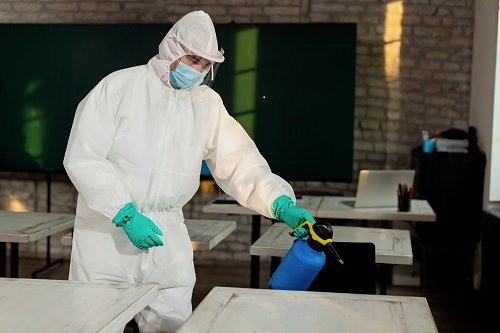
Once the assessment is complete, the next step focuses on safety and containment. Sewage carries harmful microorganisms, viruses, parasites, and chemicals. Professionals set up containment barriers to keep contaminants from spreading into clean areas of the property.
During this stage, cleanup teams:
- Wear full PPE suits, gloves, boots, and respirators
- Shut off electrical sources if water compromise is detected
- Establish containment zones with plastic sheeting
- Restrict air movement to prevent airborne contamination
Safety protocols are essential to protect both property owners and cleanup crews. A trusted restoration service like Ideal Response always prioritizes health and safety before beginning any physical cleaning or water extraction tasks.
How Do Professionals Remove Standing Sewage Water?
The core step in a sewer backup cleanup is removing all standing sewage water from the property. This step is performed using specialized water cleanup equipment such as:
- Industrial-strength pumps
- Wet/dry vacuums designed for hazardous waste
- Truck-mounted extraction systems
Professionals ensure every inch of contaminated water is removed before moving to the next phase. Rapid water extraction prevents further damage like:
- Mold growth
- Wood rot
- Foundation weakening
- Spread of bacteria
- Deterioration of drywall or flooring
Time is crucial. The faster the sewage water is removed, the less damage the property sustains.
What Happens During the Removal of Contaminated Items?
Sewage exposure often damages belongings beyond repair. During this step, professionals determine what items can be restored and what must be safely discarded.
Items typically removed include:
- Carpets, rugs, and padding
- Upholstered furniture
- Mattresses
- Drywall
- Insulation
- Personal belongings impacted by contamination
Non-porous materials like metal, plastic, and some tile surfaces may be salvageable after deep cleaning and disinfection. Porous items, however, usually cannot be safely restored and are disposed of to prevent future health risks.
Cleanup teams use proper biohazard disposal methods to ensure contaminated waste does not pose a threat to the environment.
How Do Professionals Clean and Disinfect Surfaces After Sewage Removal?
After all standing water and contaminated materials are removed, the water cleanup and sanitation phase begins. This step eliminates harmful organisms and creates a safe environment for occupants.
Professionals use EPA-approved disinfectants and follow industry standards such as:
- Scrubbing floors, walls, and hard surfaces
- Applying antimicrobial treatments
- Using disinfectant fogging or spraying devices
- Cleaning HVAC vents if contamination spread
- Removing stubborn odors through deodorization treatments
This deep cleaning ensures no harmful residue remains and prepares the space for drying and restoration.
Why Is Structural Drying Essential After a Sewer Backup Cleanup?
Even after water removal and disinfection, moisture can remain hidden within walls, floors, and structural components. Professionals set up an advanced drying system using:
- Commercial-grade dehumidifiers
- High-velocity air movers
- Air scrubbers
- Moisture sensors
Drying prevents mold growth, structural decay, and long-term indoor air quality issues. Technicians monitor the moisture levels daily to ensure the structure reaches safe dryness levels.
This step may take anywhere from 24 hours to several days, depending on the severity of the sewage incident.
What Is the Final Step in Restoring a Property After Sewage Cleanup?
Once the property is dry, sanitized, and safe, the final step is restoration. This may involve minor repairs or major reconstruction depending on the level of damage. Common restoration tasks include:
- Reinstalling drywall
- Painting walls
- Replacing flooring
- Restoring plumbing systems
- Repairing damaged cabinetry
- Reinstalling insulation
The goal is to return the property to a pre-loss condition, free from odors, stains, and contamination. Professional restoration ensures your space feels clean, safe, and fully functional again.
Why Should You Choose Professional Sewer Backup Cleanup Services?
Attempting to handle sewage cleanup on your own poses significant risks. Sewage carries dangerous pollutants, and amateur cleaning can cause long-term damage if moisture or contamination is left behind.
Hiring professionals guarantees:
- Proper disinfection
- Safe disposal of hazardous waste
- Advanced drying to prevent mold
- Faster recovery
- Compliance with health and safety standards
Companies experienced in sewer backup cleanup bring expertise, equipment, and strict protocols that deliver results homeowners cannot achieve alone.
Final Thoughts: What Should You Expect From a Professional Sewage Cleanup Service?
Professional sewage and water cleanup services follow a structured, proven process designed to protect your health and restore your property effectively. From assessment and extraction to drying and rebuilding, each step plays a vital role in minimizing damage and ensuring safety.
Understanding these steps prepares you for emergencies and helps you choose a reliable restoration provider. When disaster strikes, partnering with a trusted team like Ideal Response ensures your home or business is in safe, expert hands.