Tag: when to see a vascular doctor
What are the types of vein diseases?
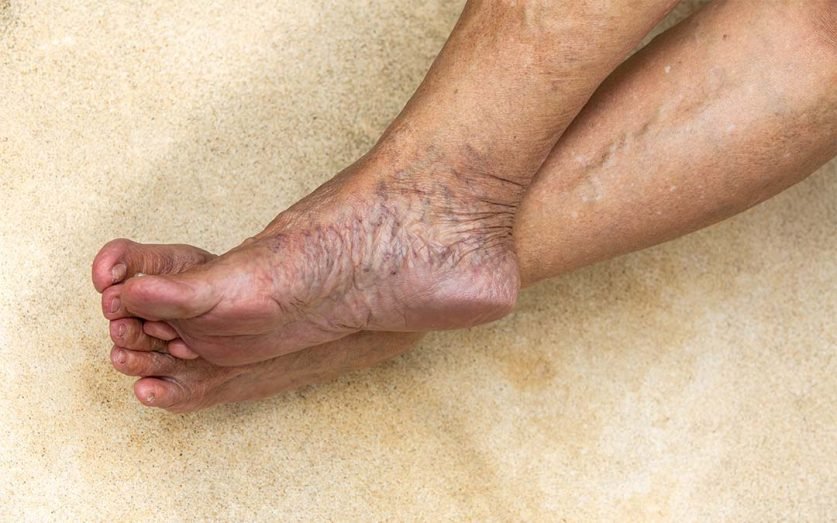
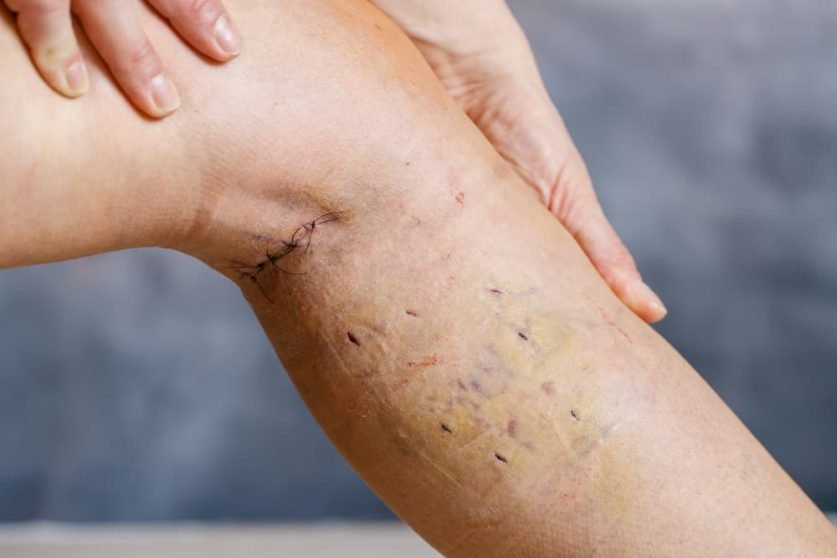
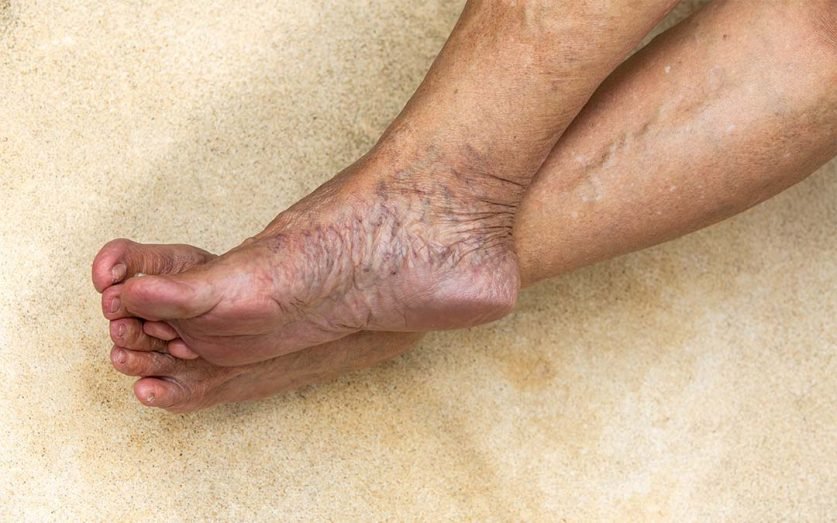
Veins are thin-walled structures with valves that keep blood flowing in one direction. Your heart pumps oxygen-rich blood to the body's thick arteries: and the veins return that blood to the heart. Veins are located close to the skin's surface and are called superficial veins. Damaged veins will hinder blood flow and backflow when your muscles relax, which creates unusually high pressure in the veins. Moreover, this stretches and twists the veins, increasing swelling, valve incompetence, and sluggish blood clot formations. Eventually, this issue can know as venous disease. Venous disease is quite common. According to reliable studies, many people are affected by vein disease, which does not pose a significant health risk. However, thrombophlebitis can be a severe and life-threatening condition affecting millions of people. Varicose Veins Varicose veins are twisted, swollen, and discolored near the skin's surface and occur when weak valves allow blood to flow backward or stagnate in the veins. Chronic obstruction of the veins also causes various veins, but in most cases, this can't be detected. They commonly appear in the legs or lower legs, or when this happens in the anus, called hemorrhoids. The chances of getting affected are higher in women than men because of pregnancy, contraction, and the menstruation cycle. Veins doctor eliminates them for cosmetic and medical reasons when they cause discomfort. What Kind of Doctor Treats Varicose Veins? A doctor who treats problem-related to veins, arteries, and capillaries is called a varicose surgeon or veins doctor. Superficial Thrombophlebitis Thrombophlebitis is a severe inflammation of the veins, especially in the single leg, that may cause due to response of blood clotting in the vessels. Which occurs in veins near the surface of your skin; it is called superficial thrombophlebitis, a minor disorder commonly identified by red and tender veins. It would be best if you considered visiting a doctor in case of severe pain and discomfort. Deep-vein Thrombophlebitis Deep vein thrombophlebitis, which affects the large veins farther below the skin's surface, is a more severe condition. It may procedure fewer symptoms initially; in half of the cases, there are no symptoms, but it carries the risk of pulmonary embolism. Pulmonary embolism is when the clot detaches from its origin and travels to the lungs and heart, possibly leading to death. Also, you may have chronic venous insufficiency if the blood outflow to the veins, resulting in dermatitis and increased skin pigmentation and swelling. When should I contact a dentist? You should call a doctor if you feel any pain or swollen vein that does not disappear or unexplained swelling in your lower legs. What are the signs and Symptoms of venous disease? Varicose Veins: Enlarged, swollen, and a cluster of purple veins, swelling in the legs, or aching sensation in the lower legs. Itching skin above the affected area, discoloration, and in severe condition, ulcer. Superficial thrombophlebitis is a condition in which you have large cordlike veins associated with localized swelling, pain, and tenderness. Conclusion When to see a Vascular Doctor? Any vein disease is severe if left untreated; therefore, you should consider visiting a doctor for thorough treatment and diagnosis if you find any signs and symptoms.
What Are The Earlier Signs and Symptoms Of Varicose Veins?
For many people, varicose veins are just a cosmetic issue, but they can be a severe issue for some people. By looking at the symptoms of varicose veins, you can tell whether they are severe or cosmetic. Symptoms of varicose veins may indicate Chronic Venous Insufficiency (CVI). Some of the symptoms of varicose veins are: Swollen feet You may risk developing varicose veins if your feet and ankles are swelling. If you notice this regularly, it can be a problem. If it happens once, you may not need to worry about it. It’s likely an early warning sign if it swells daily. Achy legs If your legs ache a lot after walking or performing physical activities, you may have concerns to look for. Varicose veins can occur if you have achy legs. Spots on lower legs Check for red spots on your legs. If you notice swelling in your legs, red spots indicate that you may have varicose veins. It might be an early sign of varicose veins. Talk to your doctor and treat them soon, as the blood vessels in your legs may have weakened and can burst. Diagnosis and treatment To check the blood flow in the veins is proper, your doctor may diagnose with an ultrasound; treating varicose veins can help reduce the chance of new varicose veins. Your doctor may suggest some changes to cure the varicose veins, like changes in lifestyle, such as losing weight if you’re overweight. Exercise and elevate your legs to help the blood flow quickly. Your doctor will provide you with compression stockings to squeeze the veins. There are many treatments available to treat varicose veins. Treating varicose veins early can lead to more superficial treatments. If left untreated, it can cause pain and other symptoms. Generally, varicose veins can also develop on other parts of the body but usually appear in the legs. You do not feel pain in all varicose veins; it is likely to feel pain in only one vein. Varicose veins are identical to spider veins, but you can see differences in appearance, varicose veins, are enlarged veins. Is it worth getting varicose veins removed? Is it worth getting varicose veins removed? Maybe yes, when it is getting more severe, because all varicose veins do not need treatment. Some varicose veins can be cured easily by daily exercise and wearing compression stockings. If your varicose veins are not rendering you discomfort and pain, you may not need to have treatment, but make sure to treat them. Treatment of varicose veins is only essential to ease the symptoms; if your varicose veins are causing you pain or discomfort, you need treatment for it. Conclusion: Treating varicose veins on time can heal them early and saves your cost. Visit your surgeon if you feel pain and discomfort. When to see a vascular doctor? The best time to see a vascular specialist is when you see the symptoms of vein disease. You should treat them rather than leave them untreated.
Are Varicose Veins Dangerous To Our Health?
Large, twisted, and bulging varicose veins frequently appear on the legs and feet. They occur when the veins' valves malfunction, resulting in less efficient blood flow. Usually, varicose veins do not cause any discomfort or severe pain. Hence, health-related therapy for varicose veins is rarely necessary, but if swelling, aching, pain in the legs, and significant discomfort occur, treatment is essential. There are several choices, including some DIY solutions. When to see a vascular doctor? While varicose veins are mostly only unpleasant and ugly, they can pose a threat to health if left untreated. A person's varicose veins may impair healthy blood circulation if they do not receive the appropriate therapy. It may result in blood clot formation and DVT, a potentially fatal condition. In extreme circumstances, a varicose vein may rupture or result in varicose skin ulcers. In addition, varicose veins can rupture in a medical emergency if left untreated. So it would be best to treat them before they cause serious problems. What are the symptoms of varicose veins that show you need medical help? Sometimes varicose veins don't hurt. Varicose vein symptoms include: bluish-purple or dark purple veins tangled, bulging veins that frequently resemble cables on the legs The following are examples of painful varicose vein indications and symptoms: Legs that be heavy or aching Lower leg edema, muscular cramps, burning and throbbing Pain that worsens after spending a lot of time sitting or standing itching around a vein or many veins Variations in skin tone near a varicose vein If you have these prominent symptoms, it is best to seek medical help from a good vein specialist. If you don't know what is a varicose vein specialist called, a phlebologist or a vascular surgeon is the vein specialist who can treat your varicose veins. What preventive measures can you take to avoid varicose veins? It does not require invasive treatment unless varicose veins cause any medical problems or severe discomfort. It is not always feasible to stop varicose veins from growing because genetics and hormones play a part in their development. There are, however, some actions one can do to lessen the risk of developing varicose veins. Varicose vein prevention strategies could involve: Regular exercise enhances circulation and encourages blood to return to the heart. You should maintain a healthy weight with diet and exercise. Avoid crossing your legs when sitting for extended durations since this can lessen blood flow to your legs. Regular "walk breaks" promote blood flow throughout the body, especially in the legs. Wearing support stockings, which apply light pressure on the legs to compress them and promote blood flow. Avoid wearing clothing too tight in the groin, upper legs, or waist, as this can prevent blood from returning to the heart. Reducing salt intake, as too much sodium might cause swelling. Conclusion We hope the above-given information may give you valuable insight regarding varicose vein treatment. The above article tells us about varicose veins' symptoms and preventive measures. For more informational details, please visit veintreatmentli.com.
Popular Categories
- Blog (11)
- Dental (135)
- Diet And Nutrition (15)
- Fitness (33)
- Health (171)
- Lifestyle (25)
- Mind & Body (15)
- Weight Loss (16)