
Category: Health

Fresh Chives: How to Grow and Care for Them
If you love the taste of chives, but haven’t had much luck growing them yourself, you’re not alone! Chives are one of the hardest herbs to grow at home, which makes it all the more important to know how to care for fresh chives once you have them in your possession. Read on to learn how to grow and care for your fresh chives so that you can keep enjoying their flavorful appearance and healthy nutrients year-round! All About Chives Chives are a member of the onion family and have a mild onion flavor. They're a great addition to any dish, whether you're using them as a garnish or as a main ingredient. Chives are also very easy to grow and care for. Here's everything you need to know about growing and caring for your own chives. Sunlight and Watering Chives love full sun, but will also do well in partial shade. They require well-drained soil that is kept moist, but not soggy. Water chives deeply about once a week, or more often if the weather is hot and dry. Fertilize monthly with a balanced fertilizer. Flowers and Seeds Most chives will die back in the fall, but they can be grown indoors during the winter months. They need a sunny spot and well-drained soil. Water them when the soil is dry, but don't let them sit in water. Fertilize every few weeks with a half-strength solution of liquid fertilizer. To keep your chive plants from getting too leggy, cut them back by half every month or so. Growing Outdoors In The Summer Fresh chives are a delightful addition to so many summer dishes! They’re easy to grow in your own backyard and only require a little bit of care. Here’s what you need to know to get started. Chives like full sun or partial shade, and well-drained soil. If you’re growing them in a pot, make sure it has drainage holes. Water regularly, especially during dry spells. You can fertilize every few weeks if you like, but it’s not necessary. To harvest, simply snip the leaves with scissors. Chives will keep producing all season long, so feel free to snip as needed. Growing Indoors During The Winter Months Chives are one of the easiest herbs to grow indoors. They don't require a lot of sunlight, so they're perfect for a windowsill garden. Plus, they're one of the first herbs to start growing in the spring, so you can get a head start on your gardening. Here's how to grow and care for chives indoors
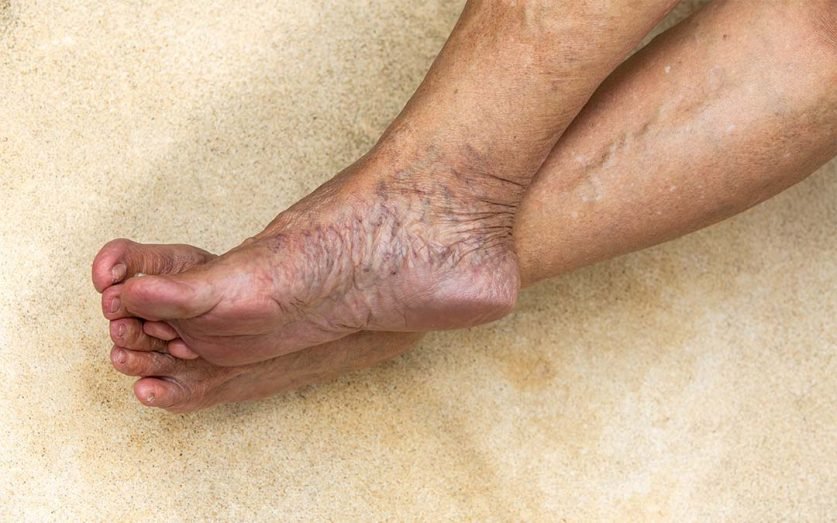
Are Varicose Veins Dangerous To Our Health?
Large, twisted, and bulging varicose veins frequently appear on the legs and feet. They occur when the veins' valves malfunction, resulting in less efficient blood flow. Usually, varicose veins do not cause any discomfort or severe pain. Hence, health-related therapy for varicose veins is rarely necessary, but if swelling, aching, pain in the legs, and significant discomfort occur, treatment is essential. There are several choices, including some DIY solutions. When to see a vascular doctor? While varicose veins are mostly only unpleasant and ugly, they can pose a threat to health if left untreated. A person's varicose veins may impair healthy blood circulation if they do not receive the appropriate therapy. It may result in blood clot formation and DVT, a potentially fatal condition. In extreme circumstances, a varicose vein may rupture or result in varicose skin ulcers. In addition, varicose veins can rupture in a medical emergency if left untreated. So it would be best to treat them before they cause serious problems. What are the symptoms of varicose veins that show you need medical help? Sometimes varicose veins don't hurt. Varicose vein symptoms include: bluish-purple or dark purple veins tangled, bulging veins that frequently resemble cables on the legs The following are examples of painful varicose vein indications and symptoms: Legs that be heavy or aching Lower leg edema, muscular cramps, burning and throbbing Pain that worsens after spending a lot of time sitting or standing itching around a vein or many veins Variations in skin tone near a varicose vein If you have these prominent symptoms, it is best to seek medical help from a good vein specialist. If you don't know what is a varicose vein specialist called, a phlebologist or a vascular surgeon is the vein specialist who can treat your varicose veins. What preventive measures can you take to avoid varicose veins? It does not require invasive treatment unless varicose veins cause any medical problems or severe discomfort. It is not always feasible to stop varicose veins from growing because genetics and hormones play a part in their development. There are, however, some actions one can do to lessen the risk of developing varicose veins. Varicose vein prevention strategies could involve: Regular exercise enhances circulation and encourages blood to return to the heart. You should maintain a healthy weight with diet and exercise. Avoid crossing your legs when sitting for extended durations since this can lessen blood flow to your legs. Regular "walk breaks" promote blood flow throughout the body, especially in the legs. Wearing support stockings, which apply light pressure on the legs to compress them and promote blood flow. Avoid wearing clothing too tight in the groin, upper legs, or waist, as this can prevent blood from returning to the heart. Reducing salt intake, as too much sodium might cause swelling. Conclusion We hope the above-given information may give you valuable insight regarding varicose vein treatment. The above article tells us about varicose veins' symptoms and preventive measures. For more informational details, please visit veintreatmentli.com.
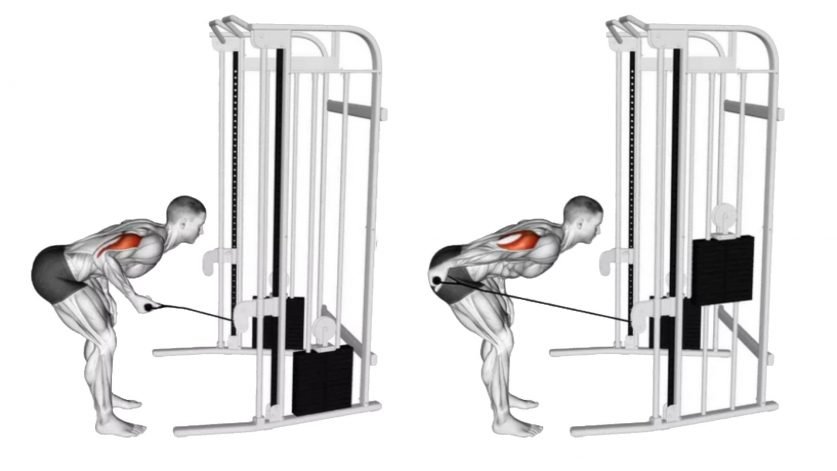
Cable Tricep Kickbacks – Are They Effective?
So you’ve decided to add cable kickbacks to your triceps training. Great idea! Cable kickbacks are one of the best exercises out there, and they can be done either standing or seated, depending on what suits you better in the moment. Now that you’re ready to start doing them, though, you may be wondering: Are cable tricep kickbacks effective? Do they actually work? And if so, how do I get the most out of them? This blog post will answer all those questions and more! Muscles Worked The cable triceps kickback is an effective exercise for building bigger, stronger triceps. The muscles worked in cable kickbacks are your elbow flexors and extensors; specifically, both heads of your triceps brachii. This exercise will improve the shape and size of your arms by targeting all three heads of your triceps in a functional way. And while they’re considered one of the best exercises you’re not doing, kickbacks will help develop upper-body mass with little strain on your shoulder joints. Benefits of Cable Tricep Kickbacks Cable triceps kickbacks not only target your triceps, but also aid in strengthening your core. This is because, in order to properly execute a cable triceps kickback you must contract both your abs and glutes. Cable kickbacks can be great for improving upper body strength, especially if you have a hard time performing standard barbell push-ups or dumbbell kick-backs. You might not think of a cable machine as an effective piece of equipment when it comes to building muscle mass, but it can actually be a great addition to your weight training regimen. Negatives of Cable Tricep Kickbacks Although there are some benefits to cable tricep kickbacks, they also have their drawbacks. For example, while cable triceps kickbacks may help you isolate your triceps muscles and allow you to see results faster, they don’t produce as much muscle contraction or work as many muscle fibers. You can achieve more results with dumbbells or cables without any additional equipment. Also, if you do tricep kickbacks on a machine that allows you to lean back, your spine will be partially bent which can lead to serious injury if done incorrectly for an extended period of time. It’s safer to use a fully upright bench when doing these exercises and focus on perfect form over speed and repetition. Additional Exercise Options In addition to triceps cable kickbacks, there are other exercises you can do with a cable that target your triceps. Try a French press, which works as well as a bench press but has way less potential for elbow pain and impingement (you'll also need an EZ-curl bar). Or try a lying overhead triceps extension: Lie down on your back, keeping your feet flat on the floor and knees bent at 90 degrees. Hold a small weight directly above your head in one hand with your arm straight (you might have to adjust cables on machine if it has adjustable settings). Lift weights straight up until forearm is completely extend. Lower weights back down slowly until forearm is almost at right angle to upper arm again.
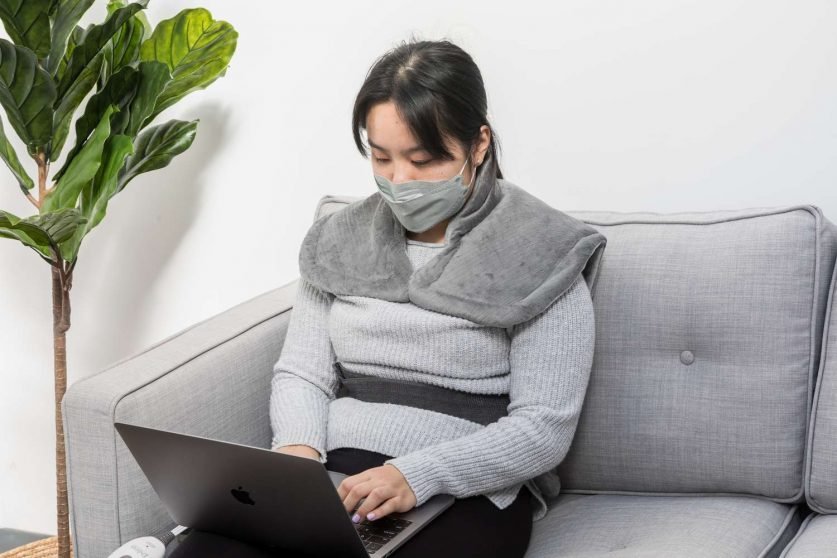
Portable Heating Pads: The Pros and Cons
A portable heating pad may be just what you need to ease your pain, but before you pull out your credit card and make the purchase, there are some things you should know about this product to make sure it’s really going to help you. The good news is that heating pads are a great home remedy for many pains and aches, including menstrual cramps, arthritis, and muscle strain. The bad news? It’s not always as simple as turning it on and letting it do its thing! Here are some pros and cons of portable heating pads to help you decide if they’re right for you. Don’t use heating pads for more than 20 minutes A portable heating pad might seem like a great remedy for aches and pains, but heating pads need to be used carefully. There are some downsides to using them. As far as cordless heating pads go, however, they’re a convenient tool that can take aches away on cold days. They’re also easy to use! Just plug them in, sit back and relax while they heat you up. Heat only the affected area Heat also provides a sense of comfort, especially for those recovering from an injury. There’s no need to heat your entire body with a heating pad; you can use one just on those parts that are hurting. If you don’t want to buy an expensive blanket or mattress pad, then consider investing in a battery-operated heating pad like these ones by Sunbeam. It gives you some control over how much heat is released and comes with preset heat levels or can be customized if needed. These pads offer dual settings as well—one for continuous release of heat, and another to keep at a consistent temperature during sleep. Take breaks It’s a good idea to take a break from your heating pad every half hour. This allows you to assess how much time you’ve spent on it and make sure your skin doesn’t overheat. If using an electric heating pad, it’s a good idea to make sure there are no exposed wires near where you lie down. It is not recommended that you wear pajamas while using your heating pad because they can trap in heat too effectively, making your skin too hot or even burning you if they get too close to direct contact with your skin. Never leave children or pets unattended while on a heating pad. Avoid sleeping with it on When sleeping with a heating pad, it’s best to avoid using it for more than 10 minutes at a time. Overheating can lead to dehydration, causing dizziness, dry mouth and fatigue. Additionally, when sleeping with a heating pad you should set an alarm so that you don’t accidentally fall asleep with it on, which can cause serious issues such as burns. Sleeping with a portable heating pad also isn’t recommended for those with existing back pain—it may seem like resting your body on something warm will help your back feel better but in reality it is doing more harm than good because heat treatments will aggravate already tense muscles and ligaments. Use common sense If you’re not sure whether a heating pad is safe for your body, don’t use it. Hot water bottles might be a better alternative; they’re not as effective as an electric heating pad, but they can help with minor aches and pains. If you have any serious injuries or illnesses, talk to your doctor before using a heating pad. If you’re thinking about buying one of these devices (portable or not), remember that there are lots of places online where you can purchase cheaper products made in China without knowing exactly what you’re getting.
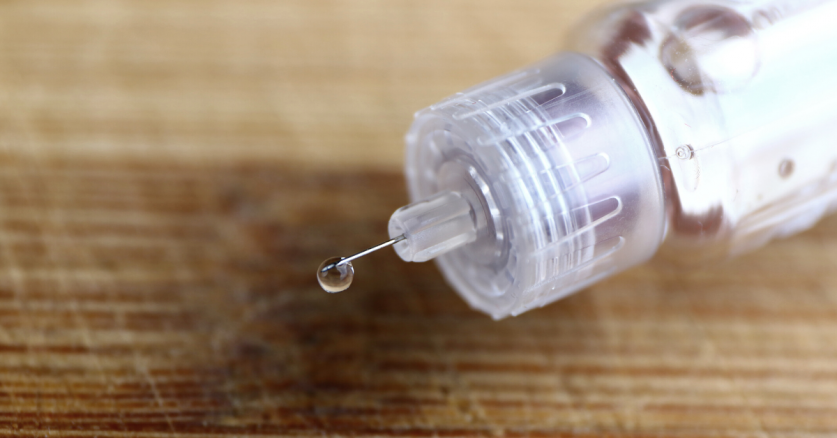
The Ultimate Guide to Insulin Pen Needles
The small needle on your insulin pen may seem insignificant, but it’s actually one of the most important features of the pen. Here’s everything you need to know about insulin pen needles, including how they work and why they’re important to help you control your diabetes and stay healthy. Overview When it comes to insulin pen needles, there are two main varieties: BD Ultra-Fine Pen Needles and BD PrecisionGlide Pen Needles. As their names suggest, these needles differ from one another in a variety of ways. Both have unique features that set them apart from other brands and make them worthy of consideration if you’re looking for new needles. They’re made by two different companies—BD Medical, which produces BD Ultra-Fine Pen Needles; and Pfizer Inc., which produces BD PrecisionGlide—and though both companies produce good quality products, we believe that when comparing their pen needles head-to-head there are some slight advantages to each brand... [continue] What are Insulin Pens? Insulin pens are fast becoming one of your best options for treating diabetes. In fact, they're now routinely recommended over insulin shots by many doctors and endocrinologists. This is good news for people who struggle with needle phobia, as a pen needle is often easier to handle than those found on traditional insulin vials and pens. An insulin pen can also be more cost-effective over time when compared to using syringes, especially when compared on a per-unit basis. But before you buy an insulin pen, you'll want to make sure it's compatible with your type of insulin (or vice versa). You also need to choose between two different types of pens: prefilled vs. non-prefilled devices . Both options have their pros and cons. How Do I Choose A New Syringe? Beginners and longtime diabetics alike wonder how they can best choose a syringe. Typically, it is all about size: You want a syringe that will easily fit your needles, as well as your comfort level. Many people tend to favor BD ultra fine pen needles, but do you know why? Let’s take a closer look at one of their most popular offerings to see if it is right for you. We’ll also consider some other potential options as well! Which Point Style Should I Pick? There are three main types of insulin pen needles available on today’s market: sharp, standard and safety. Sharp needles come with a permanent needle attached to their pen. Standard needles can be used interchangeably among pen devices as you change from dose to dose, so you don’t have to worry about running out of sharps at an inopportune time. You can also try changing your pen needle every day for a week or two, although some people find that doing so can irritate their skin over time. Ultimately, it comes down to individual preference—both in terms of comfort and cost-effectiveness. For those who do choose standard point style needles, make sure they’re still within their labeled expiration date! Why Use a Pen Needle Instead of Vials? The vial option has its advantages. For example, if you want to use a pen needle with multiple vials of insulin, it’s easy enough to just purchase several pen needles (and a compatible syringe). But what if you want something more portable? This is where pens really shine. Using a pen needle instead of vials allows for easier transport and access to your insulin. At home or at work, you can simply grab your pen and pop in a new needle as needed – no worrying about transporting glass vials or keeping them in a safe place that’s away from heat or cold. What is insulin degradation and why should I care? One of insulin’s biggest hurdles is something called insulin degradation. Basically, it’s any process that changes your insulin from its original, therapeutic form into a slightly different version of itself. These changes can happen when insulin comes in contact with water and oxygen, either before or after you use it. The unfortunate side effect is that once your insulin has been degraded it no longer has quite as strong an effect on controlling blood sugar as pure, intact insulin would. That’s why keeping track of how long your vials and pens have been around before using them is so important—the more degraded your insulin is when you inject it, the less effective it will be at lowering blood sugar levels over time and reducing complications associated with diabetes. Are Point Types Necessary? As a rule of thumb, most users prefer shorter needles. If you’re using an insulin pen with disposable needles, then you should use a needle that is long enough to reach your required dosage without causing discomfort. Longer needles should not be use because they do not provide any added value. For example, insulin pen needles that are longer than 0.5 mm or 3/64 will lose their sharpness faster and are more likely to cause damage during insertion into skin. Can I reuse my pen needles? If you’re currently using a syringe, you may be wondering how pen needles differ. With a syringe, you will fill it with insulin then poke yourself multiple times in order to draw out your dose. You can use these syringes for about a week before needing to replace them; however, with pen needles, they are disposable and need to be replace after each use. While both of these devices serve essentially the same purpose (administering your daily dosage of insulin), there are some other factors that might make one option better for you than another. It is important that if switching from syringes to pens, or vice versa, that you consult with your doctor first so he or she can help answer any questions or concerns. Are there any other considerations? Yes, there are a couple of other considerations when it comes to needles. When you're using an insulin pen or using cartridges, you'll have to make sure that your needle is compatible with both your pen and cartridge. For example, if you've got a Humalog FlexPen (cartridge), you'll need a Humalog syringe (needle). When it comes time for disposal, check out how insulin needles are dispose of in your area—and always make sure that kids and pets can't get into them. It's not uncommon for needles from insulin pens or cartridges to be left around and available for accidents like these. If an accident does happen with one of these supplies (whether accidental injection or playing doctor), seek medical attention immediately!
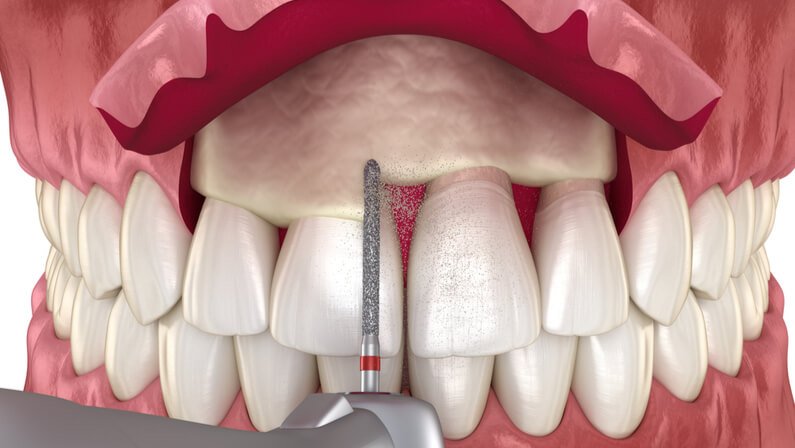
What is a Gingivectomy?
When the gums cover a portion of the teeth, and if you are looking for a flawless smile, your dentist may recommend an aesthetic gingivectomy. This can assist if your teeth appear short or your grin appears 'gummy.' Everyone's mouth, particularly their gums, is different. Others have receding gums, while others have gums that cover more of their teeth. In both circumstances, a gingivectomy (the removal of the gum tissue) may be beneficial. Understanding the gingivectomy procedure is beneficial whether you seek treatment for gingivitis or simply a cosmetic improvement. Visit a local Dental Clinic to know more about it. What Is Gingivectomy Near Me? Periodontists remove a part of the gingiva (gum) from in and around a tooth or teeth to cure gum disease or increase the height or width of a tooth or a segment of teeth. A general dentist who has had periodontal surgery training can perform this procedure effectively. A periodontist is more likely to do the operation. A periodontist is a dentist who has received specific training in treating gums and gum diseases. Visit Dental Clinic Near Me if you think you have infections on your gums. Gingivoplasty is another type of periodontal surgery. A gingivoplasty differs from a gingivectomy because the former only requires partial gum removal (plasty). The latter procedure involves removing a large amount of a gum area. Still have queries in your mind, visit Dentistry Near Me. What to expect during gum surgery near me? Usually, periodontists use a surgical scalpel to complete procedures. However, in some cases, they may use a low-frequency laser. They cut and remove diseased tissue and use sutures (stitches) to repair the remaining gums in and around the teeth. Lastly, they clean the area with saltwater and specific rinses. Your dentist may perform a local anesthetic during the procedure to make the patient comfortable. Visit a local dentist if you are looking for Gingivectomy Near Me. After the procedure, periodontists place a surgical dressing or pack in and around the teeth and gums. Leave this dressing on for about a week. Your dentist may recommend an antibacterial mouthwash to fasten the healing process. What Are the Advantages of a Gingivectomy? Gingivectomy can effectively treat gum disease, aging, injury, or bacterial infections. It can help you and your dentist cleans your teeth more efficiently and avoids further gum damage. You can choose to have an elective gingivectomy for strictly cosmetic reasons, even if most dentists don't advocate it. People with too much gum tissue may dislike their smiles and consider a gingivectomy to improve their appearance. Post-Gingivectomy aftercare tips: After the surgery, most patients can resume their regular dental hygiene routine in less than a month. Routine dental or periodontal examinations will guarantee that the procedure is a success. The dentist who did the surgery will likely want to see you every three months for a checkup and then at least twice a year for a preventative health visit to clean in and around the surgical site. If you want a younger look or want to get rid of painful symptoms of gum disease, consider Gum Surgery Houston, i.e., Gingivectomy, as it is the best treatment to opt for.

How Long Does a Helix Plus Mattress Last?
The Helix Plus mattress isn’t your run-of-the-mill mattress; it is an online-only, adjustable air mattress that boasts all the benefits of a luxury mattress at an affordable price. But how long does the Helix Plus last? The answer to this question depends on several factors including the specific model of the mattress and how often you adjust its firmness level. We’ll discuss both below so you can better understand just how long your Helix Plus mattress will last before you need to replace it. The benefits of using mattresses Did you know that sleeping on a quality mattress has been shown to help improve mental health, reduce stress and increase your metabolism? Not only that, but according to studies done by NASA, people who have access to high-quality mattresses have an easier time falling asleep. Your mattress also plays an important role in keeping your spine properly aligned throughout sleep. In fact, more than 25% of Americans wake up in pain after sleeping due to poor alignment! But don’t worry—helix mattresses can help with all of these problems. The benefits of using helix plus mattress As far as mattresses go, our models can last longer than traditional innerspring mattresses. That’s because we don’t use springs at all! Instead, our patented design layers individually pocketed microcoils over responsive base foam. These advanced coils bounce back to their original shape (not just their coil configuration) after every use—so they last longer than ordinary coils. The result is a mattress that not only performs better but lasts up to 25% longer than an innerspring! This is true even for heavy sleepers and large couples who sleep together. Plus, our hassle-free warranty means you won’t have to replace your mattress for years—ensuring that your sleep experience never falters! The importance of buying quality mattresses One of the first rules for buying a new mattress is to avoid cheaply made products. You can get what looks like an incredible deal on a mattress but if it’s shoddily constructed and doesn’t last, you really didn’t save money in the long run. Even if you went for the cheapest option, within about two years you would have spent as much as or more than you would have on one good quality mattress that lasts 10 years or more. The better quality beds are made with better materials and offer greater comfort over time—and they last significantly longer, too. The lifespan of a helicon plus mattress All things considered, most of our helix mattresses have roughly similar lifespans. The very best mattress will generally last about seven years; although it could be closer to five for some and as much as 10 years for others. Over time, you can expect your mattress to slowly wear down from use and with normal aging. As it does, it might begin to feel less supportive or uncomfortable in various ways. For example, if you notice you’re waking up more tired than usual, then that might be an indication that your mattress is wearing out or breaking down over time. Or if you begin to notice sagging more prominently at key areas of your body – such as your shoulders or hips – that could also point to signs of wear and tear.
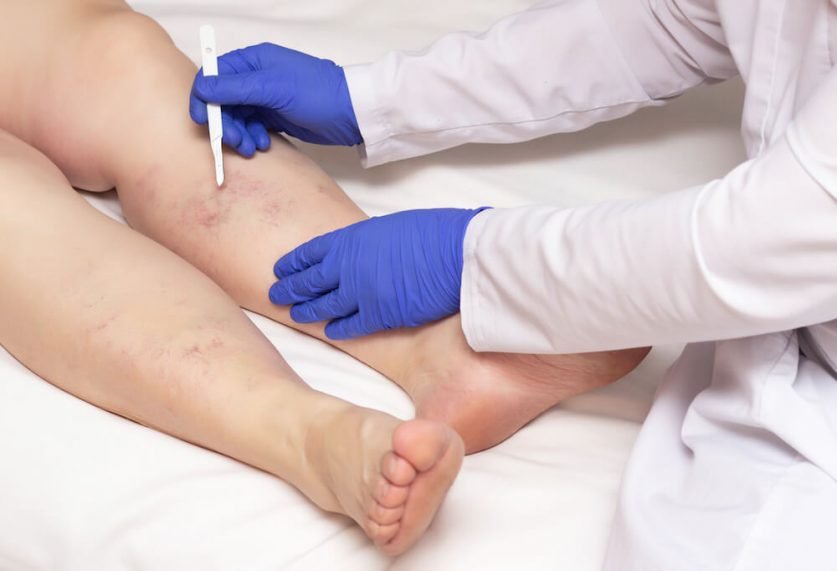
Services provided by varicose vein specialist
Varicose veins occur when the veins become enlarged and twisted in certain parts of the body. This most commonly happens in the legs due to the increased pressure on the veins caused by walking and standing. By themselves, varicose veins aren't all that serious, but they can cause a lot of inconveniences and even lead to other complications. For some people, varicose veins show no symptoms that cause alarm and immediate treatment. If this is the case, the treatment is usually done for cosmetic purposes only. These valves act as one-way gates for low-oxygen blood flowing to the heart. When these valves are weakened, blood can flow back and collect. This mainly happens in the legs, where blood has to flow upward against gravity. This is why varicose veins are found primarily on the legs. The increased pressure causes the veins to stretch and widen. What is a vein specialist called? Phlebology is the branch of medicine that studies the anatomy and physiology of the vascular tree. Therefore, phlebologists are the specialists in charge of analyzing and resolving everything related to the body's veins. They are responsible for finding out if there is any disease in the blood vessels, for example, varicose veins or haemorrhoids. In the specific case of varicose veins, phlebologists are usually responsible for resolving aesthetic situations, such as purple or red spider veins, pigmentation caused by vessel dilation, etc. Phlebologists implement treatments such as sclerotherapy, laser therapy, pressotherapy, hydrotherapy and lymphatic drainage, among others. Angiologist is responsible for performing treatments to correct conditions in the arterial system of our body. And finally, medicine has the speciality of vascular surgery, which is responsible for solving, from the root, the conditions related to the "channel" of veins and arteries in its entirety. These doctors can perform operations when the most severe complications of cardiovascular diseases occur, such as phlebitis, thrombosis, leg ulcers and pulmonary embolisms. Cost of varicose vein surgery Everything commented on the price of the varicose vein operation is based on contracting the surgery. Before treatment, one must know how much does it cost to get your veins stripped? Their interventions include everything necessary to carry out the varicose vein operation by saphenectomy or complete phleboextraction with the patient's greatest possible safety and effectiveness, providing an all-inclusive fixed price. In this way, the patient knows the final cost of the intervention from the first moment. You will find a breakdown of what is included in the price of the operation of varicose veins: Reservation and use of the operating room Single room with companion bed, food and hospitality for up to 1 day for the patient. Postoperative visits until medical discharge Medical fees anesthesiologist fees Nursing team fees Surgical material necessary for the intervention In addition, the company offers the patient free transfer service for the day of hospital admission and discharge, thus avoiding having to take the car. In the same way, the patient has continuous access to our patient care department, with whom they can solve any doubt or setback.
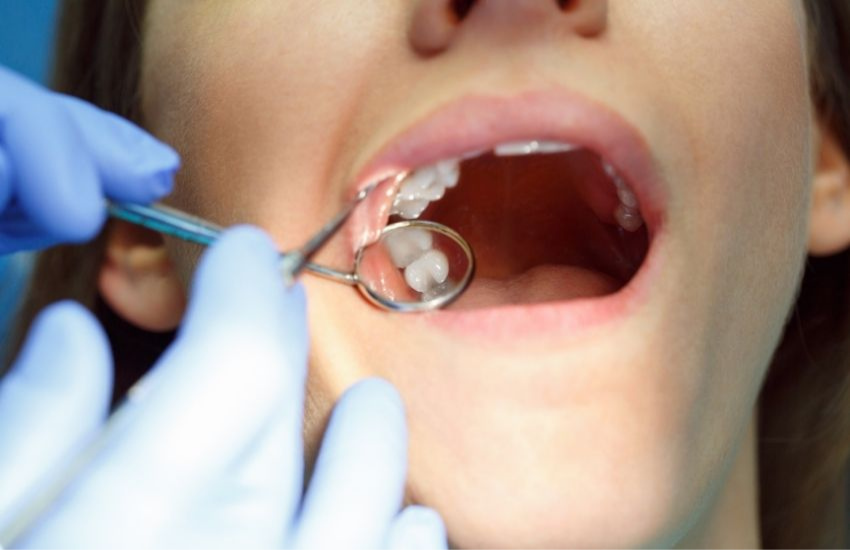
What Should We Do Immediately After Wisdom Teeth Removal Surgery?
On how to aid Wisdom Teeth Removal Recovery, people should seek help from their dentist or oral surgeon. They should provide detailed instructions on how to take any medications and how to promote healing. Biting on a gauze pad at the removal or extraction area for up to 60 minutes is beneficial for the Wisdom Teeth Recovery. The trauma caused by wisdom teeth may cause some swelling. A dentist or surgeon may also suggest an ice pack, cold compress, or ice chips for the first few hours after the tooth removal procedure. Holding an ice pack to the outside of the face for 15 minutes and 15 minutes off over the extraction site will help reduce discomfort and swelling. Suppose someone has been in the hospital for Wisdom Teeth Removal surgery and received a general anesthetic. In that case, they will experience no pain and have no memory of the procedure. What anesthetics does the dentist use before the wisdom teeth removal procedure? Your operation or surgery should take no more than 45 minutes. You'll either be given medications through a vein or breathe gas with a mask. You'll be sound asleep for the entire period, and you might not wake up for an hour. The dentists will give you one of the following types of anesthetic to keep you pain-free during the procedure: Your dentist will use local anesthetics such as novocain, lidocaine, or mepivacaine to numb your mouth. Your dentist may ask you to inhale nitrous oxide, most popularly or commonly known as laughing gas. This may help you relax or perhaps sleep during your procedure. Shortly after that, you should feel more alert. IV sedation: The surgeon or dentist will numb your mouth and administer medicines to make you sleepy through a vein in your arm. During the operation, you may fall asleep. General anesthetics. The dentist may give you general anesthesia in exceptional cases. You may inhale the medications; have an IV line in your arm, or both. Then you will lose consciousness. Your surgical team will monitor your breathing, medication, fluids, temperature, and blood pressure. What happens after the wisdom tooth removal surgery? Anesthesia affects everyone differently. If doctors give you a local anesthetic and you are alert, you'll probably be able to drive home to begin your recovery. After surgery, the majority of patients have minor to no pain. Patients are most likely to experience pain, swelling, and some discomfort for the next three days of Wisdom Teeth Removal. You might need someone to take you home if you have had general anesthesia or are still dazed. You can resume your daily lifestyle and normal activities after the first day in most circumstances. Still, you should avoid doing anything that could reopen or dislodge the blood clot from the wisdom teeth removal site for about a week. You can treat the pain with prescription pain medication or over-the-counter pain remedies advised by your dental surgeon, Wisdom Teeth After Removal. Put an ice pack or cold compress over your jaw to reduce swelling—the complex aids in reducing inflammation and alleviating any discomfort. Conclusion We can say that the above-provided information is valuable and informative in terms of wisdom teeth removal. The above matter tells us about the things we should do immediately after the surgery, the anesthetics used by the dentists before the procedure, and more. For more information, contact nearestemergencydentist.com.
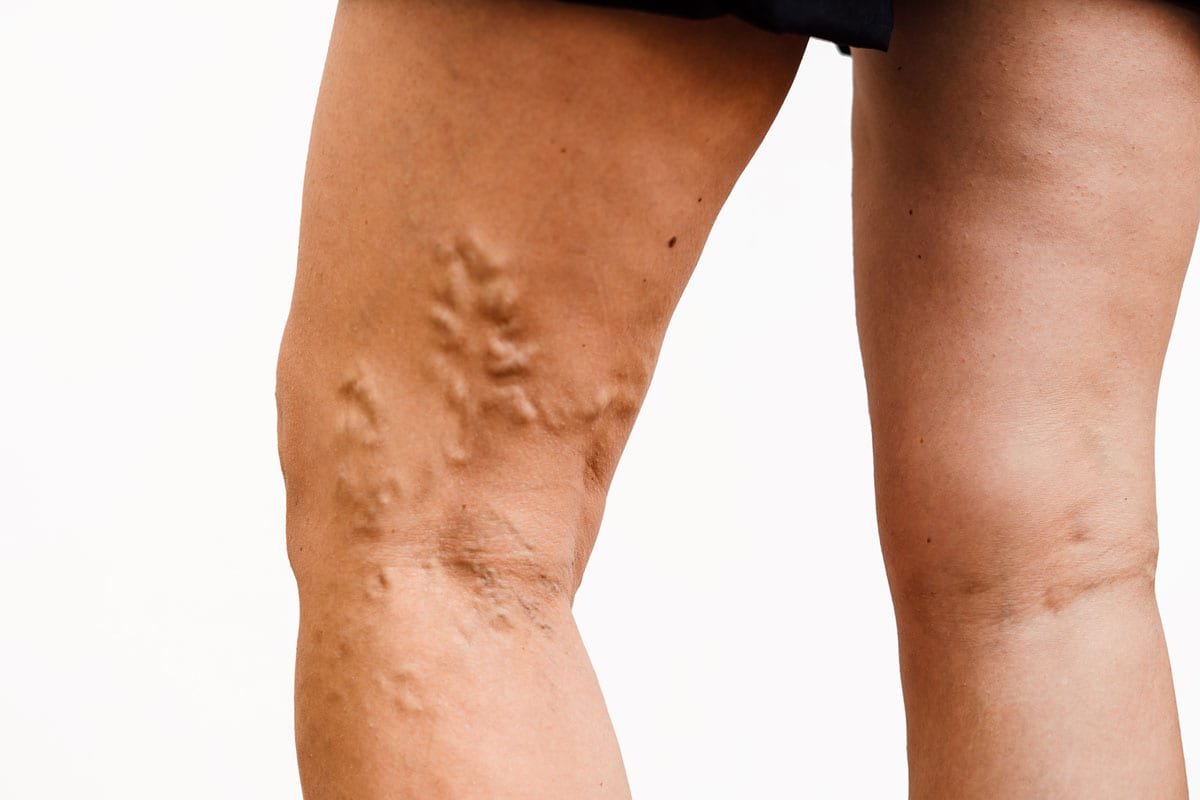
What Should We Watch Out For If You Have Varicose Veins?
People experiencing varicose veins ask when I should be worried about a vein. If the varicose veins are mild and aren't causing you any problems or discomfort, you don't need to worry about them too much. However, suppose you are experiencing aching pain and discomfort or notice swelling or discoloration in your lower leg. In that case, these can be signs of a more serious issue, and you should consult a vein specialist or visit a vein clinic. If you don't know what to expect at a vein clinic?. You will receive the best possible treatment for your varicose veins in a vein clinic. Burning, itching, cramping, or throbbing in the legs are other symptoms, and some people may develop restless leg syndrome. When the veins in your legs don't enable blood to flow back to your heart adequately, it's called chronic venous insufficiency. Weaker or broken valves cause venous reflux. Blood can pool in your legs as a result of this. Ulcers might emerge if the situation continues to worsen. What essential things should we know about varicose veins? All legs are not the same. Varicose veins form where the valves deteriorate, allowing the blood to flow downhill and pool in the leg. Veins can loo their elasticity, and when it happens, they dilate. The goal of vein valves is to keep blood flowing from your foot back to your heart. When valves fail, blood flow reverses, resulting in varicose veins. You'll probably need an ultrasound. Suppose you have some concerns regarding your veins or painful symptoms. In that case, you should visit an expert who specializes in treating vascular-related issues and get an ultrasound to observe and explore how well your veins are functioning thoroughly. If we find valve malfunction linked to serious leg complaints, we should try to correct it as soon as feasible." The ultrasound can also assist if the vein should be surgically addressed, managed medically, or left alone. symptoms we should not ignore It is essential to seek medical treatment if you are experiencing hyper pigmentation and thickening and hardening of the skin. If you notice itchiness and redness around the skin. Or if you notice symptoms like skin ulcer or thrombosis. What would happen if we left the unhealthy varicose vein untreated? Muscle cramps. Cramping can occur if the blood collects in the veins instead of flowing through the veins back to the heart as it should. Severe pain. It may feel a deep ache or heaviness in the limbs. Itching and burning. Leakey veins or blood vessels can cause itching and pain. Skin ulcers. A varicose skin ulcer can occur when the blood doesn't circulate properly back to the heart. Blood clotting. A blood clot occurs when the veins become twisted and discolored, and blood flow is not quick enough. Conclusion We hope the above-given information helps you learn more about what you should watch out for if you have varicose veins. We discuss what we should know about varicose veins in the above-given information. For further information, please check out veintreatmentli.com.
Popular Categories
- Blog (13)
- Dental (138)
- Diet And Nutrition (15)
- Fitness (33)
- Health (196)
- Lifestyle (25)
- Mind & Body (15)
- Weight Loss (16)

What Are the Key Benefits of Dabur Mahalaxmi Vilas Ras?
24 February 2026

Which Houston Clinics Specialize in Advanced Gum Disease Treatment?
13 February 2026

What Factors Affect the Average Cost of Implants?
29 December 2025

Health And Fitness Tips That Everyone Should Check Out!
1 February 2020

Physical fitness Tips For A Slimmer As Well As Younger You
9 February 2020